Soaking in an onsen, or a Japanese hot spring bath, is a deeply ingrained part of Japanese culture and travel. Understanding Japanese onsen etiquette ensures you, and others around you, can fully enjoy the relaxing experience. Understandably, first-time visitors can feel a little nervous about all the rules and procedures. So, how exactly do you use a Japanese public bath?
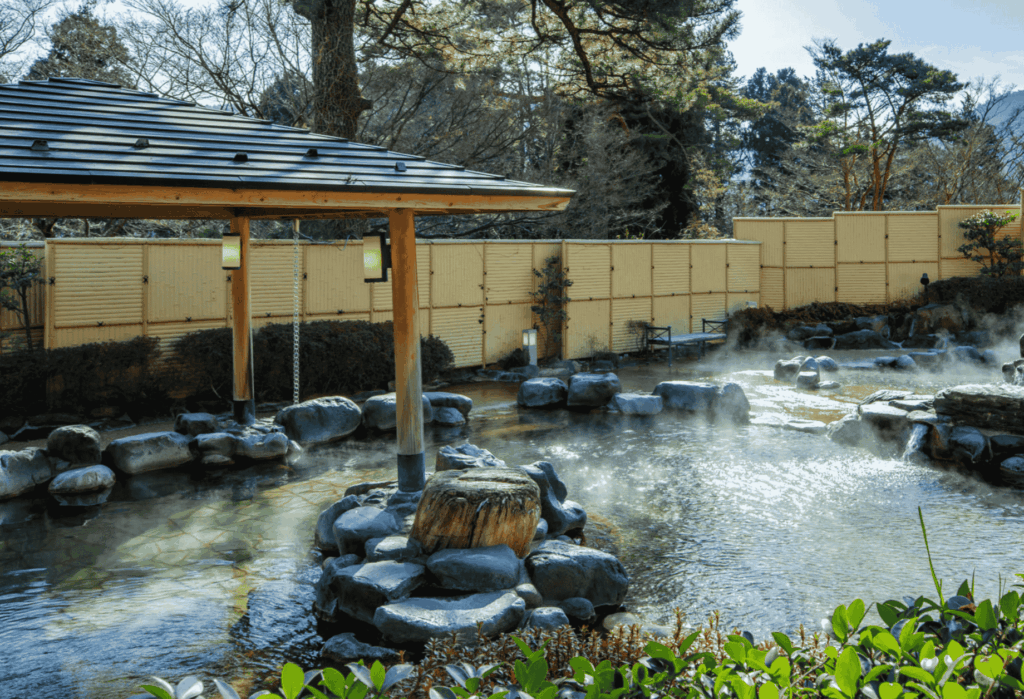
Soaking in onsen waters promotes relaxation, improves circulation, has skin benefits, and is believed to heal or improve different kids of ailments and body aches.
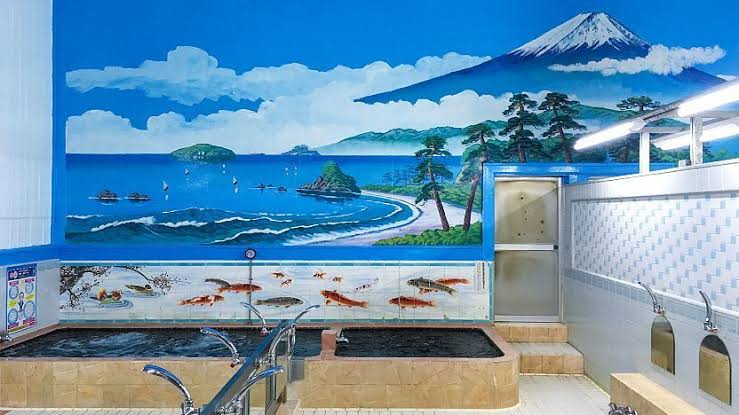
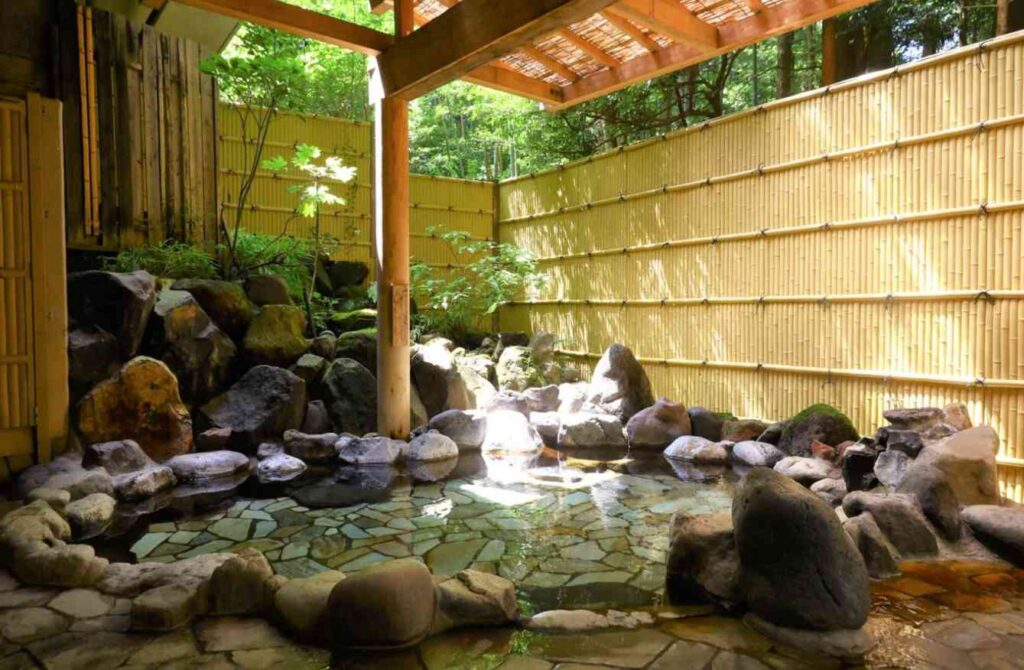
Onsen can be found throughout Japan, most commonly in ryokan (traditional Japanese inns), onsen hotels, and standalone bathhouses, called sento.
Why does proper etiquette matter at Japanese onsen?
Because onsen are shared spaces filled with natural hot spring waters, a clear set of bathing customs or etiquette has been developed over centuries.
Japanese onsen etiquette exists to keep the water clean, ensure everyone can relax comfortably, and to preserve traditions that are an important part of Japanese culture. So how should you actually use an onsen?
If you’re visiting an onsen for the first time, Japanese onsen etiquette might sound intimidating. Don’t worry, once you understand the basic flow, it’s surprisingly simple and intuitive!
Here’s everything you need to know for visiting an onsen in Japan. Let’s begin this ultimate guide to Japanese onsen etiquette.
A summary of rules for visiting Japanese onsen (explained by a cute cat)
- Before heading to the onsen, change into the yukata provided by your ryokan and wear the indoor slippers. Bring only the essentials with you like your room key and towels, and leave items like phones, jewelry, and other bulky things behind.
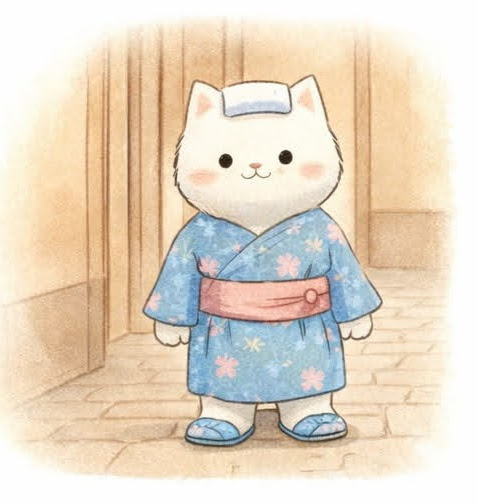
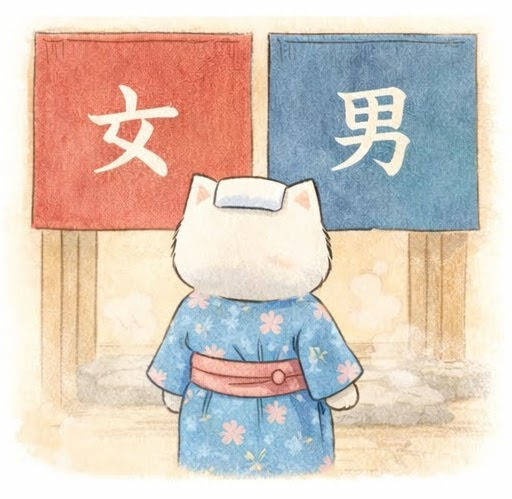
- Enter the correct onsen area – At the entrance, look for noren curtains or signs marked or colored red for women (女) and blue for men (男) and make sure you go into the correct side. Remove your slippers and place them in the shoe box or shelf provided.
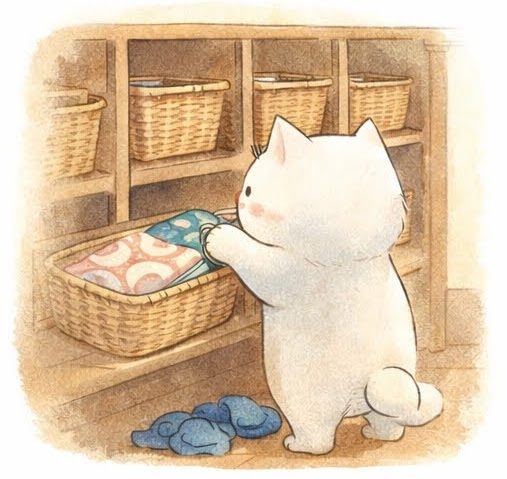
- In the changing room, undress and store your belongings in the baskets or lockers provided. Onsen are enjoyed completely nude, so no swimsuits can be worn. You can use the small towel to cover yourself when walking to the bathing area.
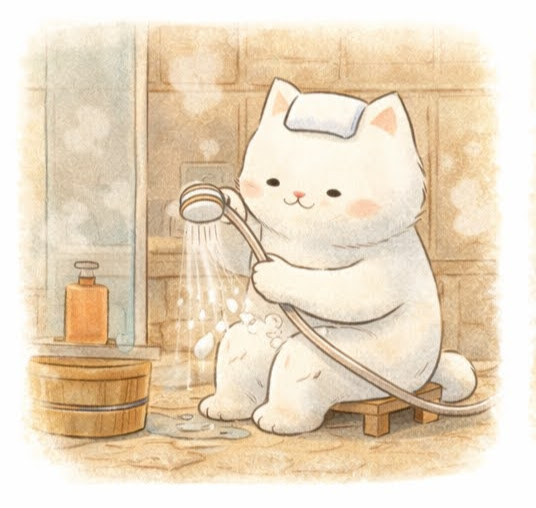
- As soon as you enter the onsen area, sit down at one of the shower stations and wash your body thoroughly. Shampoo, conditioner, and body soap are usually provided. Rinse off all soap and leave your washing area tidy for the next person.
- Once you’re clean, you can slowly enter the onsen bath water and relax! Keep your small towel and hair out of the water to maintain the cleanliness of the onsen. Keep the quiet and peaceful atmosphere by speaking softly and being mindful of others.
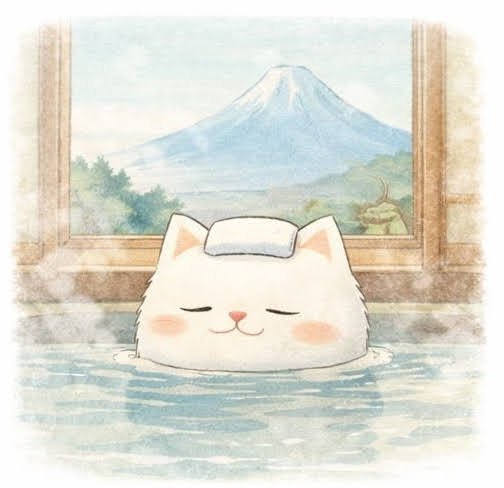
- After your bath, dry yourself lightly before returning to the changing room to get dressed. Many onsen have a lounge area where guests can cool down and rest. It’s tradition to enjoy a cold bottle of milk, tea, or other refreshing drinks after soaking in the onsen. Take your time – the post-onsen relaxation is part of the experience.
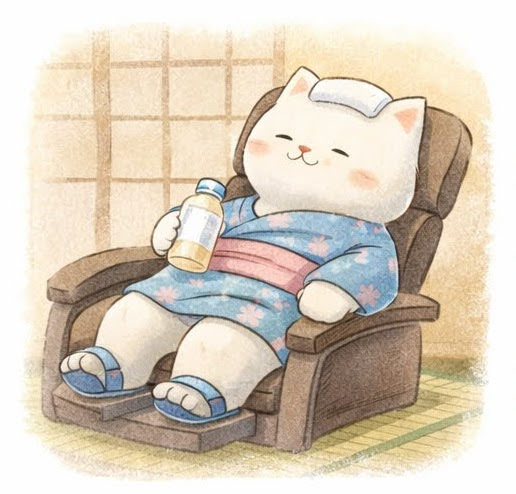
Now the long and detailed version on how to use a Japanese onsen!
1. Before you leave to go to the onsen
Japanese onsen etiquette begins before you even step into the bathing area, especially if you’re staying at an onsen ryokan or onsen hotel. Don’t worry though! This is mostly a simple checklist of what to wear and what to bring to an onsen.
Most onsen hotels provide a yukata or jinbei, lightweight traditional Japanese robes, which are worn to onsen and around the property. Guests are encouraged to wear them when heading to the onsen and to on-site restaurants and lounge areas. You’ll likely see other guests doing the same if you’re staying at an onsen ryokan.
The slippers provided in your room’s entryway (not disposable slippers) are also intended for use around the property. These are typically worn with socks, and many onsen provide toe socks for this purpose.
If you arrive at the onsen wearing your yukata, slippers, and toe socks, you’ll already look like a pro onsen-bather!
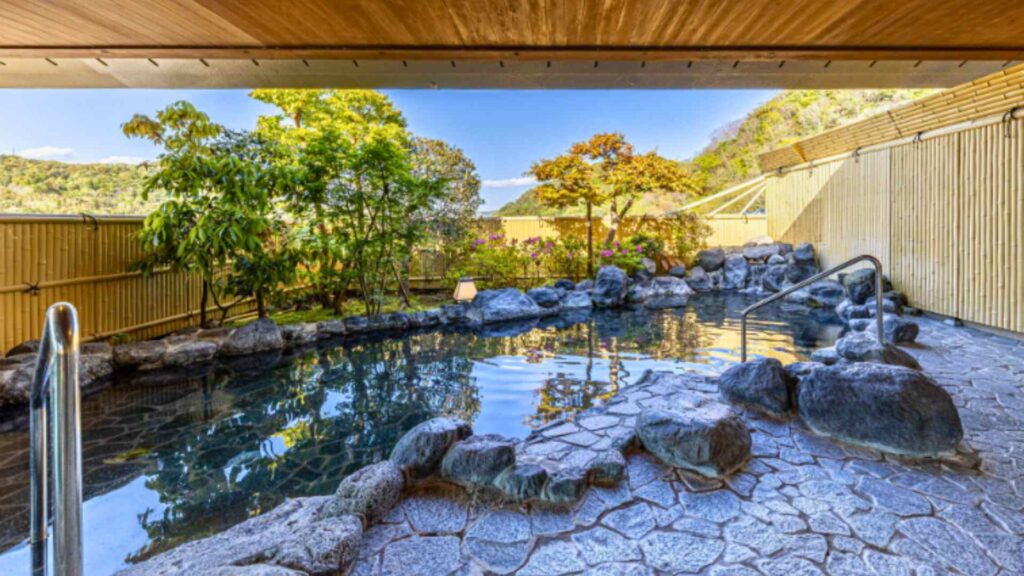
What to bring to onsen
Many ryokan provide a small basket or drawstring bag for carrying belongings to the onsen. Seasoned onsen visitors sometimes even bring their own dedicated onsen bag.
Consider bringing to the onsen:
- Room key (essential)
- A change of underwear
- Personal face wash or skincare products if you prefer to use your own (although some are provided at the onsen)
- A small towel and a large towel (if not provided in the onsen area itself, staff will inform you at check-in to bring towels from your room)
- Razor if needed (often provided)
- Hair tie or shower cap (often provided)
- Hairbrush (small combs usually provided)
- A few 100-yen coins for post-onsen drinks or massage chairs
- Cash for the entry fee if visiting a sento (public bathhouse)
What to leave behind
- Jewelry (remove beforehand)
- Hairdryers (provided at the onsen)
- Body wash and shampoos (provided at the onsen) unless you have a specific preference for using your own, or it’s a really traditional sento and you have to bring your own soap.
- Phones (strictly prohibited in bathing areas, and photography is absolutely not allowed)
If you have tattoos that can be covered with patches or bandages, cover them before entering.
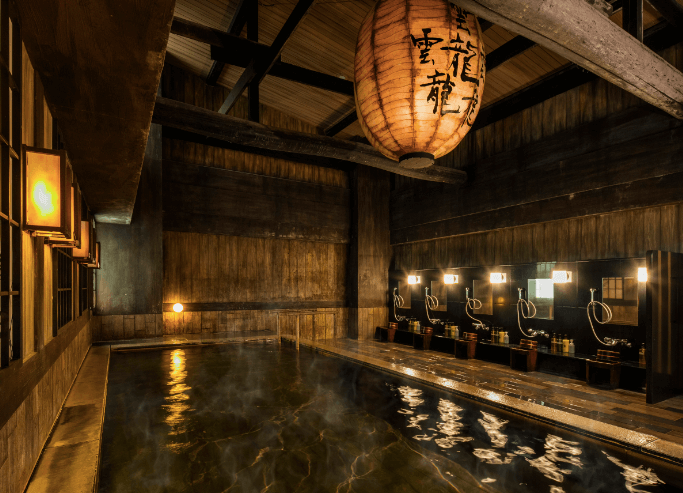
Side note: Rules about tattoos and onsen
Tattoos have traditionally been restricted in many Japanese onsen due to their historical association with organized crime groups. While that connection is less relevant today, especially with international tourism and shifting attitudes, many onsen maintain tattoo policies as part of longstanding custom.
Policies for tattoos in onsen can vary widely. Some onsen enforce a strict no-tattoo rule. Others allow tattooed guests in private baths only. Some permit small tattoos if covered with patches. And increasingly, some have no restrictions at all.
Onsen areas known to be more tattoo-friendly include:
- Hakone, especially for properties with private onsen
- Kinosaki Onsen (near Osaka)
- Kawaguchiko (near Mt. Fuji)
- Beppu
Always check in advance whether an onsen accepts guests with tattoos or not. Japanese onsen etiquette includes respecting individual property rules.
2. Entering the onsen area
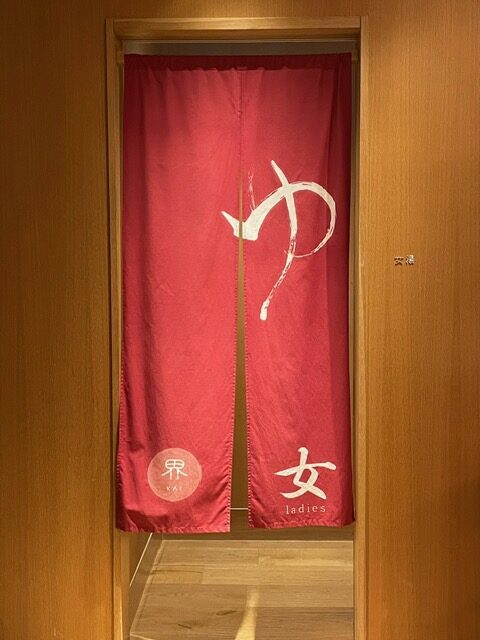
Onsen entrances are marked with fabric curtains called noren. These are typically red for women (女) and blue for men (男). Always double-check the characters, especially at ryokan where bathing areas may switch between genders at different times.
At sento bathhouses where guests need to pay to use the onsen facilities, payment is made to the attendant before passing through the noren.
If visiting the onsen with someone of a different gender, before passing through the noren it’s best to agree on a meeting point and/or time (usually the lounge area or your room).
After passing through the noren, remove your slippers and place them in the designated shoe box. Some ryokan have numbered clips that you can put on your slippers to mark which pair are yours.
Smaller onsen might not have a shoe box. If this is the case, simply line your slippers neatly at the entrance. Turning them to face outward (so you can slip into them easier upon exiting) is customary but not critical in terms of Japanese onsen etiquette.
3. In the onsen changing room
This is where the nudity begins! It may feel unfamiliar or uncomfortable at first, but don’t worry, it quickly becomes normal.
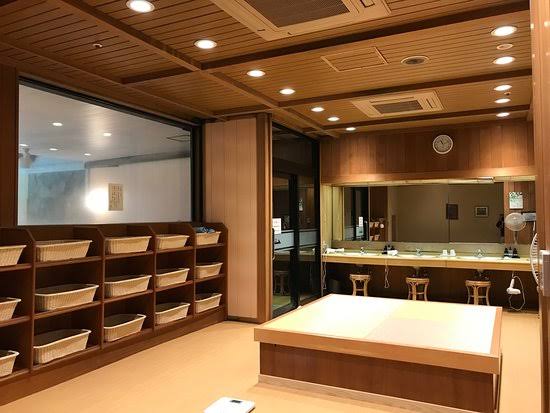
Onsen changing rooms usually include two distinct sections:
- A sink area (for drying hair, removing makeup, and post-bath skincare)
- A dressing area with baskets or lockers for storing clothes, towels, and belongings while bathing
The first step is to go to the wall with baskets. Choose a basket and place your belongings inside, then take alllllll of your clothes off and place them inside as well. Folding clothes neatly to put in the basket is appreciated (and practical). I usually place my yukata or my large towel on top to cover my belongings, and for easy access later.
Some onsen provide a separate section of small lockable compartments for valuables. Theft at onsen is rare, but you can use them for things like glasses, keys, money, and other valuables if it gives you peace of mind.
Once you’re naken, you’re ready to enter the onsen!
Remember as a rule, swimsuits are not permitted in public onsen. Even if they’re technically clean, they are considered “outside” items and go against Japanese onsen etiquette, which prioritises water purity.
Bring your small towel with you into the bathing area. It’s used for modesty (covering up your intimate parts while walking around) and later for drying before re-entering the dressing room.
4. Wash yourself before entering the onsen
Aside from being in your birthday suit (completely naked), this is one of the most important rules of Japanese onsen etiquette: you must wash yourself thoroughly before entering the onsen bath. Don’t dive straight into the water! This is what helps to keep communal baths clean and hygenic.
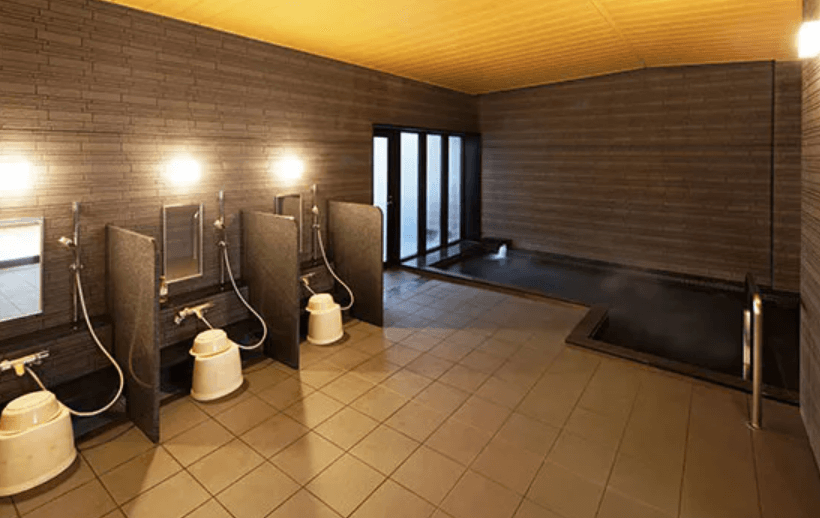
Like the changing room, the onsen bathing area has two main sections:
- The shower stations which have low stools, buckets, and shower heads.
- The onsen baths themselves, which many include indoor and outdoor onsen, and sometimes even a sauna.
After entering the onsen area, go straight to one of the shower stations. Usually there is an upturned bucket on the shower stool – take it and move it to the side or to your feet, and sit down on the stool to wash yourself with the shampoo, conditioner, and body wash provided. I usually put the little towel to the side so that it stays on the dry side, but others use it to wash themselves and wring it out thoroughly afterwards.
Using the bucket for washing is a personal preference. Some people prefer to rinse off by tipping the bucket of water over parts of their body. I just use the shower, but traditionally only buckets were available for washing.
As a rule, do not shower standing up, because this causes unnecessary splashing and may disturb your neighbors.
At this stage, men may shave their faces too.
Once you’re clean and have washed off all the soap, give the shower stool and bucket a quick rinse (this can be done while standing) before returning them to their original position.
5. Soaking in the onsen
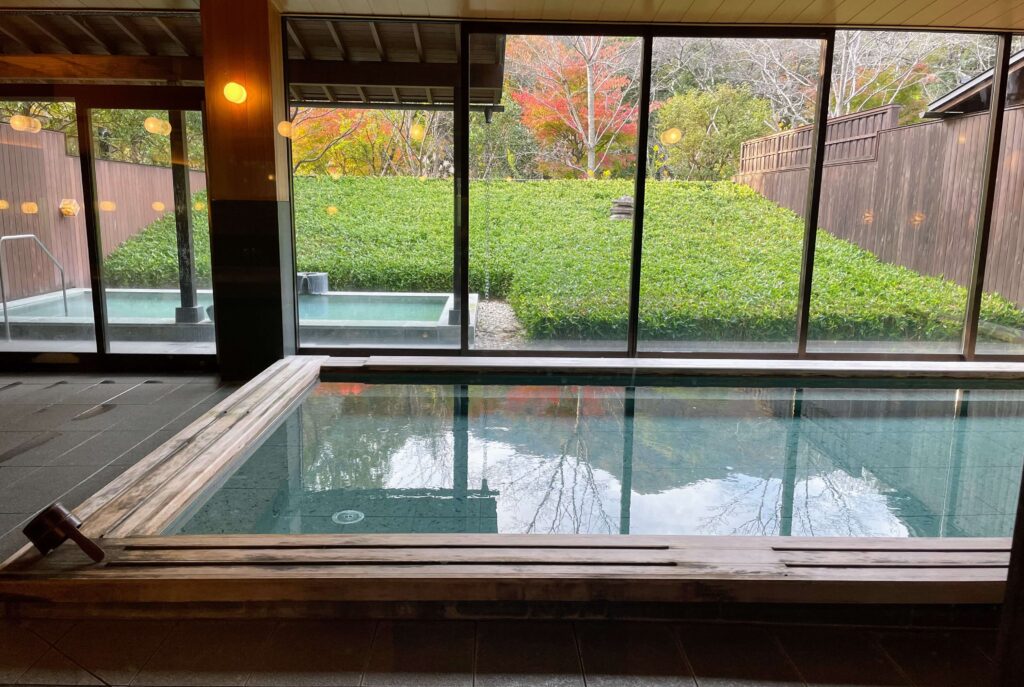
Now is the moment we’ve been waiting for… time to enter the onsen water!
At the edge of the onsen you’ll often see a small bucket with a handle. Although not required, this bucket is used to pour a little onsen water over your hands and feed to first adjust to the temperature.
I usually take my little towel at this stage and either fold it to place on my head or place it in a drier location so I can use it later. As a rule, you’re not allowed to touch the onsen water with the towel.
Enter the onsen slowly and quietly. No jumping in! Now you can sit back and relax.
While soaking in the onsen, there is more etiquette to follow:
- Keep voices low
- Do not swim or splash
- Keep long hair tied up and out of the water (even if you washed it prior to entering)
- No photography
If you move between indoor and outdoor baths, you don’t need to re-wash. After using the sauna however, rinse off your sweat before returning to the bath.
Although it’s tempting to stay in the onsen for hours, it’s best to soak for about 10-20 minutes at a time. Then alternate with periods of rest outside the water (either by sitting on the edge of the onsen or chairs that are provided) before going back in.
You’ve now mastered the hardest parts of Japanese onsen etiquette!
6. Exiting the onsen
Once you’re ready to leave the onsen bathing area, you can either rinse off lightly (which is common for mineral-heavy baths) or leave the minerals on your skin. People have differing views on the proper thing to do here, so I think it’s ultimately personal preference.
Before returning to the dressing room, use your small towel to dry yourself to the best of your ability. You don’t need to be perfectly dry, just don’t be dripping wet when exiting the onsen.
When you’re back in the dressing room, use your larger towel to dry completely. Now you can put your clothes back on too.
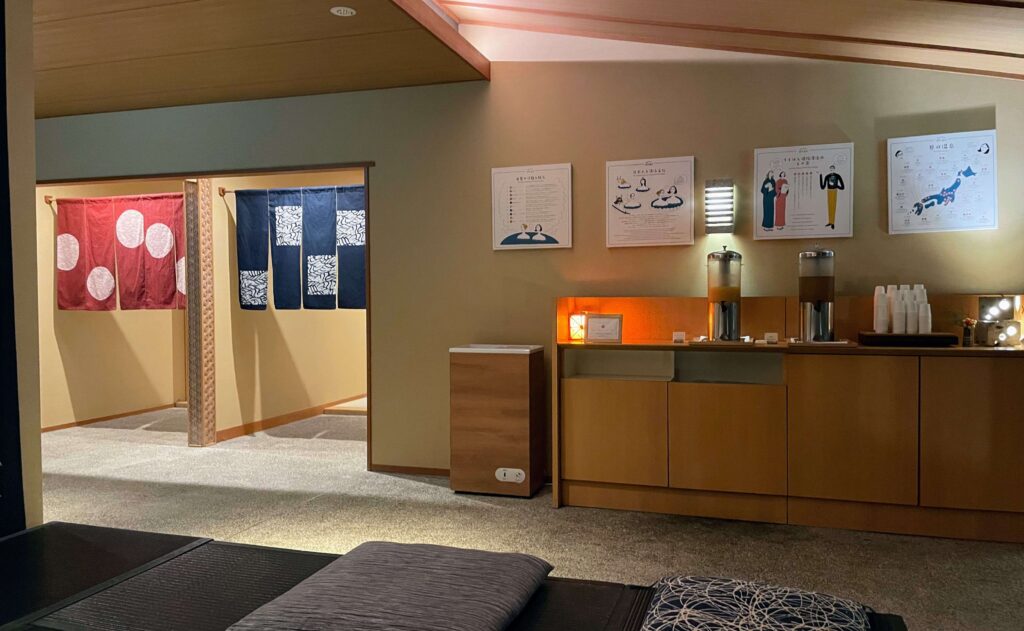
Many onsen provide cold water or tea in the dressing area. Take advantage of it because hydration and cooling down is important after an onsen soak.
At this stage, when they are fully clothed again, many people move to the sink area, either to dry their hair or complete a skincare routine. Onsens usually provide things like face wash, toners, and lotions for guests to use, as well as hair dryers.
7. Relaxing after the onsen
Many onsen and sento have lounge areas for resting after a soak in the onsen. There aren’t many additional rules here, just maintain the same calm, quiet, and respectful atmosphere.
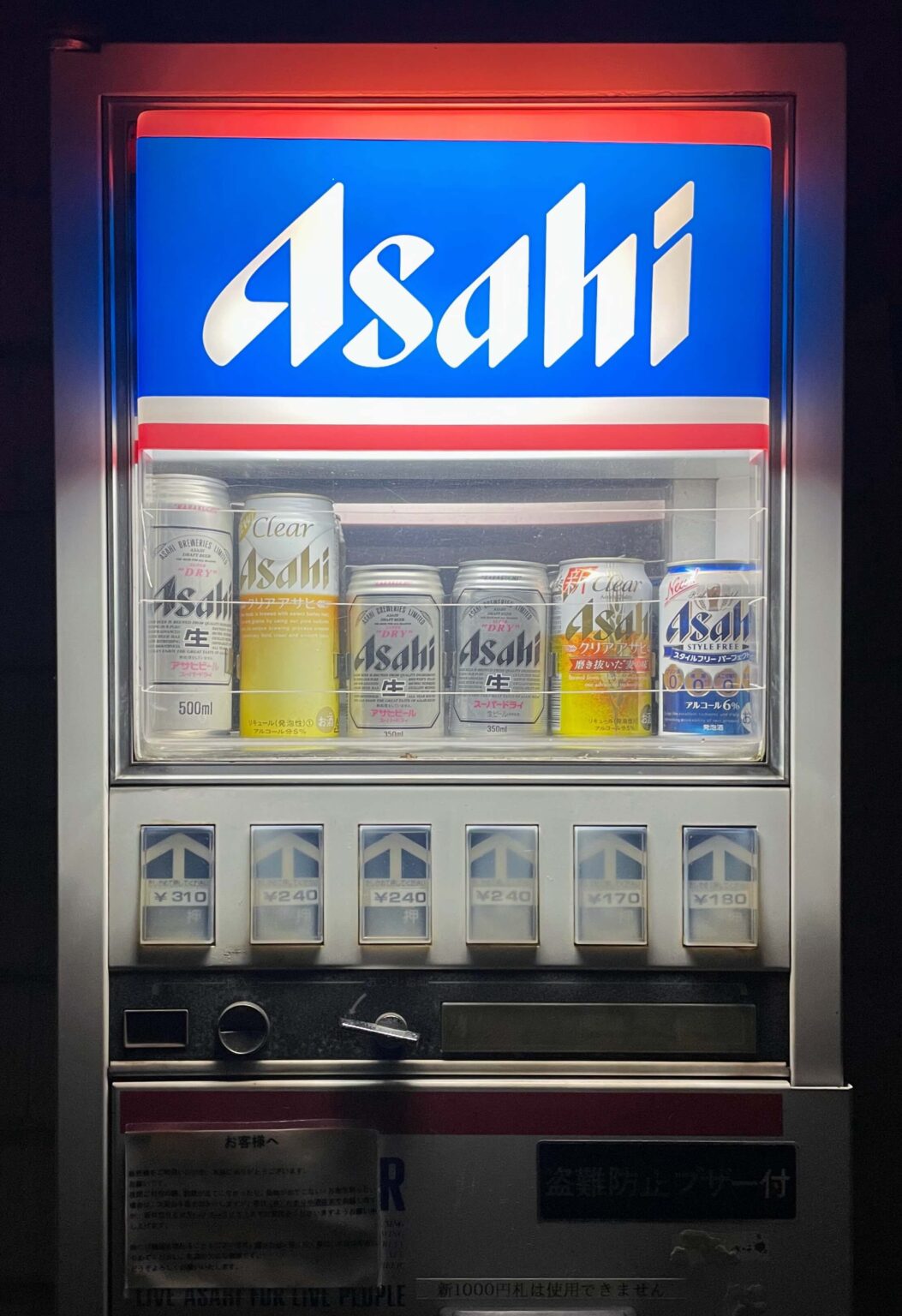
Post-onsen, it’s common for people to enjoy a cold drink, whether that’s water, milk, tea, or beer. This helps to cool the body down after the onsen, and in the case of milk, provide additional protein for your body. Many onsen areas will have either free drinks or a vending machine where you can purchase refreshments.
Other common post-onsen omotenashi or free items provided as part of ryokan hospitality include milk-based ice pops or Yakult probiotic drinks, which are also meant to replenish your body with healthy proteins.
Side Note: Private onsen vs public onsen
One common question about Japanese onsen etiquette is whether the rules change for a private onsen. The short answer is, not really.
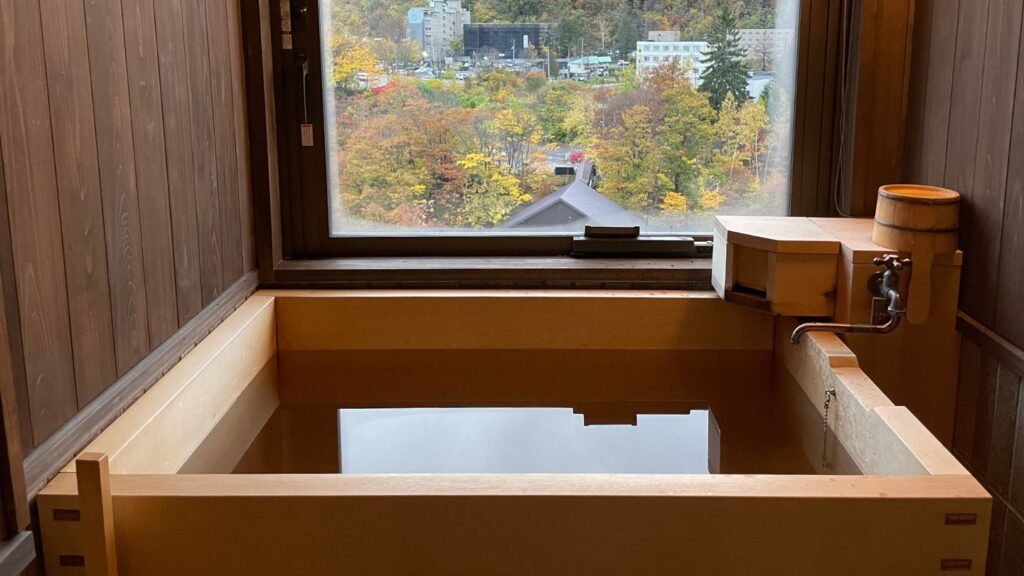
Even if you book a kashikiri (rentable private onsen) or stay in a room with an in-room private onsen, you’re still expected to wash thoroughly before entering the water. The water is meant to be clean and shared, even if you’re technically the only one using it at that moment.
This ritual is even done in typical Japanese homes. Each family member washes themselves before getting in the bath tub. They enjoy a soak, then leave it for the next user. The tub is filled once and maintained at temperature.
Of course in a private onsen the social pressures around keeping voices low and avoiding splashing isn’t as important.
Tip: For many first-time visitors to Japan, starting with a private onsen makes the transition into understanding Japanese onsen etiquette much smoother. After one or two private baths, the public ones feel far less intimidating.
That’s the end of this guide to onsen etiquette in Japan!
If you re-read the top sections a few times, you’ll understand the typical flow, as well as the key rules that you need to follow when visiting an onsen in Japan as a first-timer.
Like I mentioned above, if you’re nervous you can consider first trying a private onsen experience to remove the social pressure and any weirdness around getting nude in front of others. I promise you’ll get the hang of it, and everything becomes like a habit after the first one or two onsen visits.
Are You Prepared For Your Trip To Japan?
Be sure to check out my Japan home page for Japan travel information, insider tips, reading list, and must-haves for traveling to Japan!
- Book Your Flights – To find the cheapest flights, flexibility is key. I use both Google Flights for their low fare calendar, and Skiplagged, which uses airfare loopholes to get the lowest prices. For a trip to Japan, check flights to both Tokyo airports (Haneda, Narita) and to Osaka (Kansai).
- Getting Around Japan: Prepare your JR Pass and Suica transit card before you depart.
- Book Your Accommodation – Check out Booking.com for the largest selection of accommodation in Japan. Consider having a bit of fun at one of these Weirdest Hotels in Japan too 🙂
- Book Local Excursions – Don’t miss out on world-class experiences, like Teamlab Borderless or Tokyo Disneyland, by booking tickets online now. Check GetYourGuide and Klook for fun experiences all around Japan.
- Stay Connected: Order a pocket WiFi for airport pickup if you’re traveling with family or with a large group. Solo traveling to Japan? Order a SIM card just for you.
- Pack Your Essentials – Check out my posts about Long Term Travel Gear, and Carry-On Luggage Packing Essentials.
- Read more on my Travel Resources page!