Reading books from other countries is one of my favorite ways to travel while waiting for my next trip. These 25 Japanese books will transport you straight to Japan, offering glimpses into everyday life, cultural quirks, social expectations, and the unique storytelling styles that make Japanese translated literature so memorable.
Every book on this list was originally written in Japanese by a Japanese author and later translated into English. You’ll be able to find many of them at my favorite Tokyo bookstores with English books. They are some of my favorite translated Japanese books, and I would happily recommend them all to friends and family.
This list includes everything from murder mysteries and psychological thrillers to cozy slice-of-life novels and contemporary fiction. Along the way, you’ll gain a deeper understanding of Japanese society, culture, and the stories that have captivated readers in Japan and around the world.
This post contains Amazon.com affiliate links. If you choose to purchase anything through these links, I may receive a tiny commission at no extra cost to you. Thanks for supporting my site!
Japanese translated literature about modern society and identity
Japanese literature often explores aspects of modern life that are not often discussed openly: loneliness, social expectations, family pressures, identity, and the feeling of not quite fitting in.
These Japanese translated novels offer a window into contemporary Japanese society while asking universal questions about who we are, where we belong, and how we navigate an increasingly complex world.
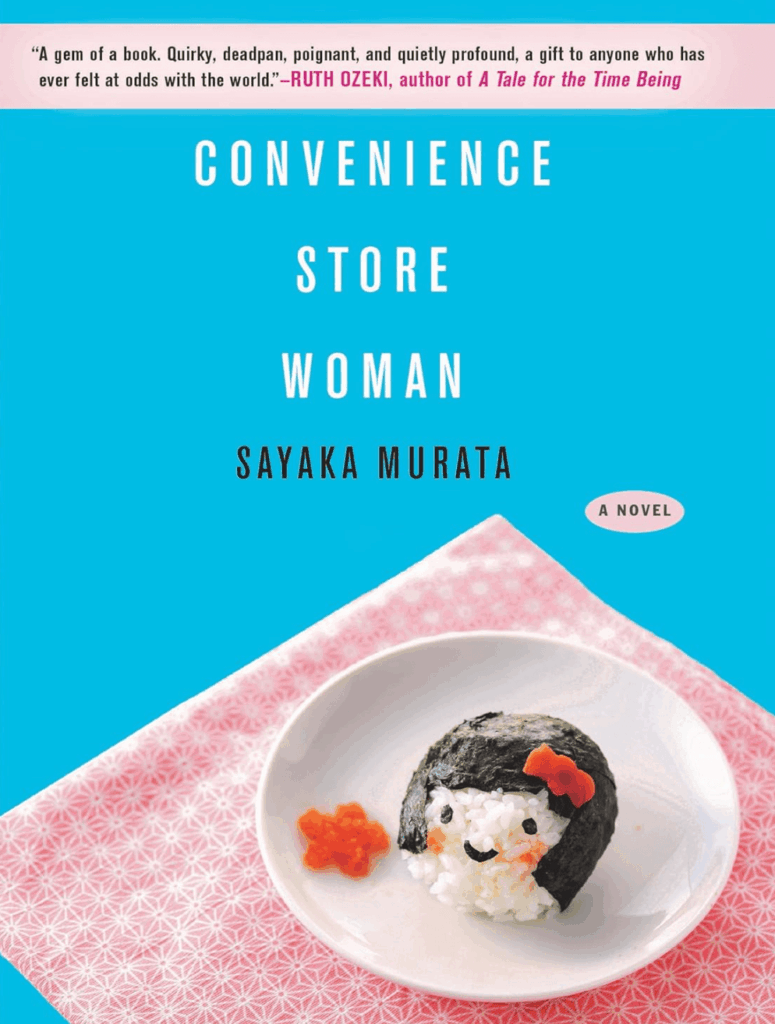
1. Convenience Store Woman by Sayaka Murata
Convenience Store Woman shines a light on Japan’s conformist social expectations and work culture, asking how much of yourself you may lose in the process of trying to fit in.
Keiko has always felt like a social outcast in Japan, especially compared to her more conventional friends and sister. But when she starts working at a convenience store, she finally feels like she has found her place.
Her job becomes her entire identity, giving her structure, purpose, and a role in society. But when her sister pressures her to marry and live a more “normal” life, Keiko finds herself a deadbeat boyfriend, throwing her ordered, convenience store life into chaos.
Convenience Store Woman is also on my list of travel books to transport you to other countries. Check out my other recommendations for books to transport you to Nepal, Australia, Botswana, Denmark, and more!
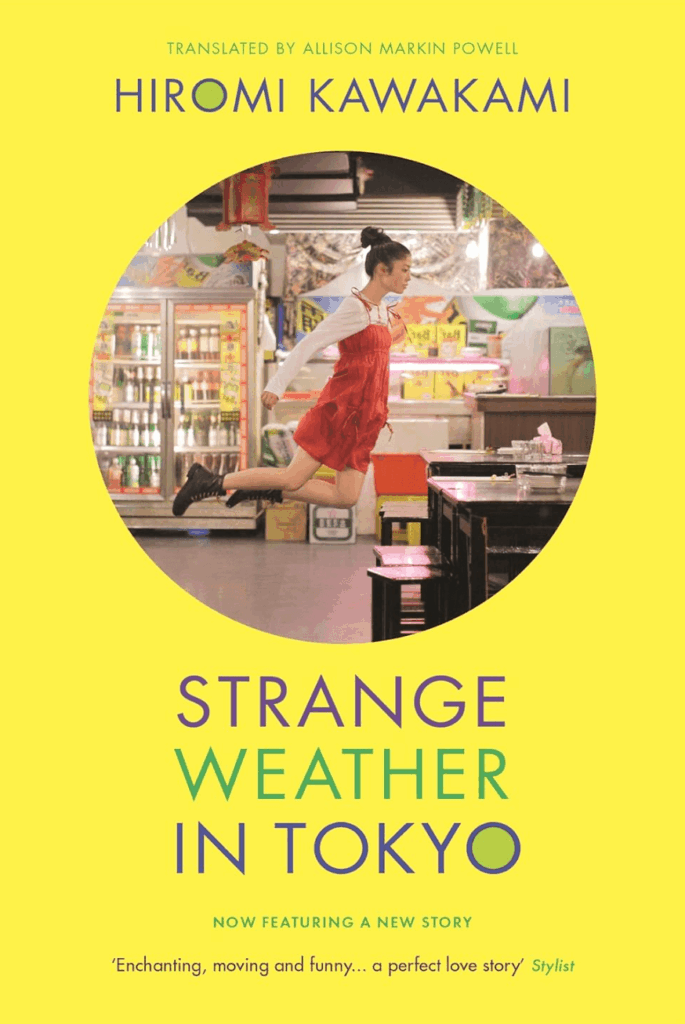
2. Strange Weather in Tokyo by Hiromi Kawakami
This gentle novel centers on the unlikely friendship between a 38-year-old woman and her former high school teacher, who she unexpectedly bumps into at a bar. They begin meeting regularly at the same place near Tokyo Station, and their relationship deepens about as slowly as the seasons change around them.
Quiet and easygoing, Strange Weather in Tokyo captures the slow development of an understated Japanese relationship. It’s a slow and cozy Japanese read, perfect for winding down.
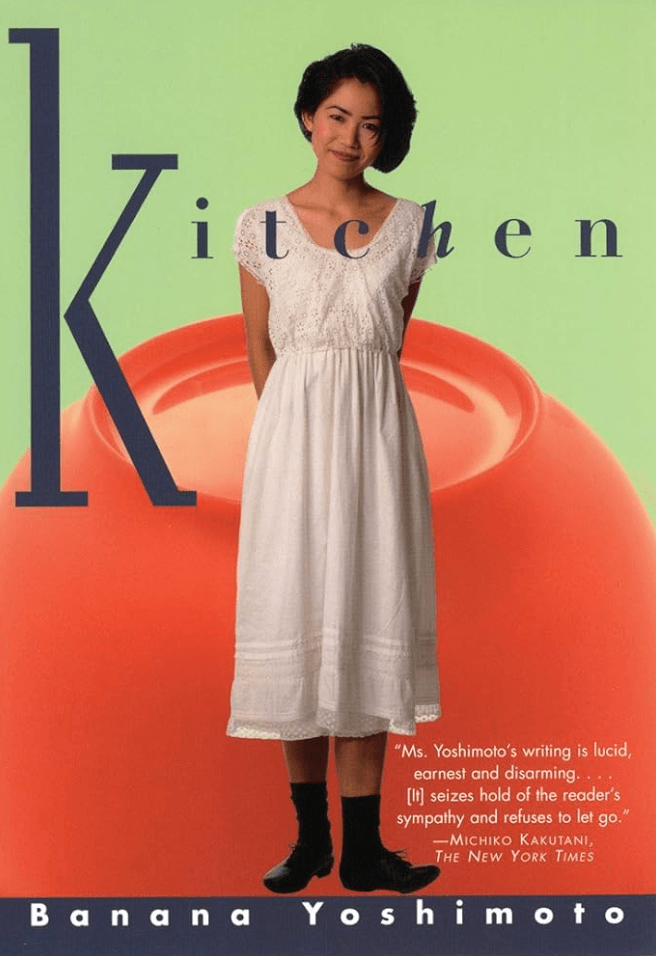
3. Kitchen by Banana Yoshimoto
Kitchen contains two novellas, both centered around loss and love.
In the main novella, Kitchen, a student Mikage has just lost her grandmother, the only parent figure in her life. She finds solace and comfort in the kitchen of a family friend and rekindles her love of food and cooking.
The second novella, Moonlight Shadow, is about a woman who’s boyfriend just passed away in a tragic accident. She’s made aware of a potential opportunity to meet him again at the edge of two worlds.
Banana Yoshimoto is one of Japan’s most famous contemporary authors, best known for her quietly emotional novels about grief, love, loneliness, and healing.
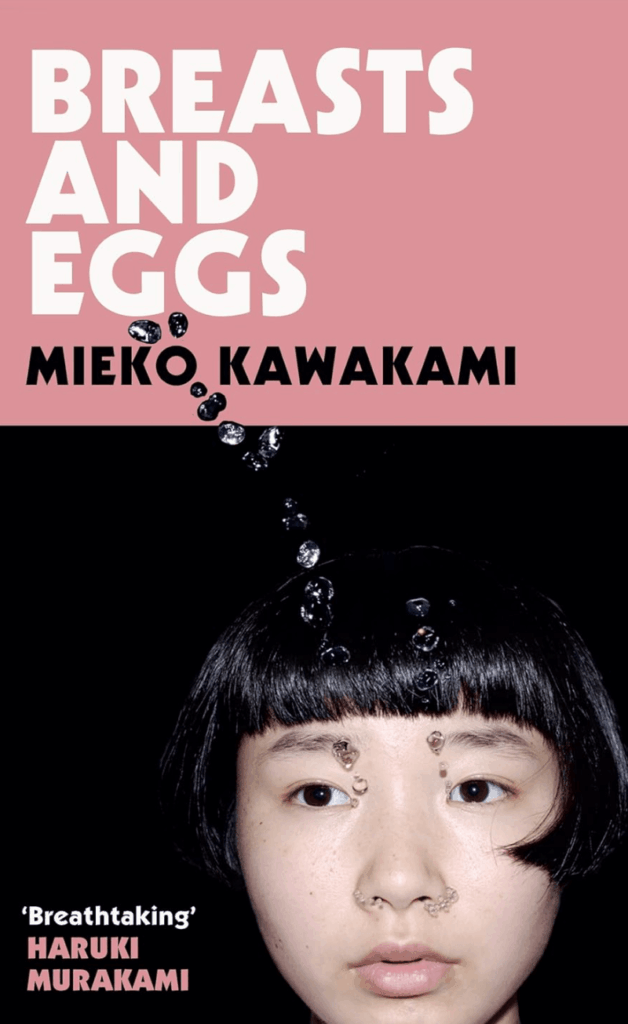
4. Breasts & Eggs by Mieko Kawakami
Breasts and Eggsprovides an intimate look into the lives of women in Japan, and how Japanese society treats (and mistreats) the women who want to stray from the status quo.
From negative body images, to mother and daughter relationships, to decisions about having children and getting married, women everywhere will be able to relate to these universal female struggles. Some Japanese male readers have labeled this novel as “unpleasant”, but that may be because it boldly explores topics such as sperm donation, menopause, and menstruation.
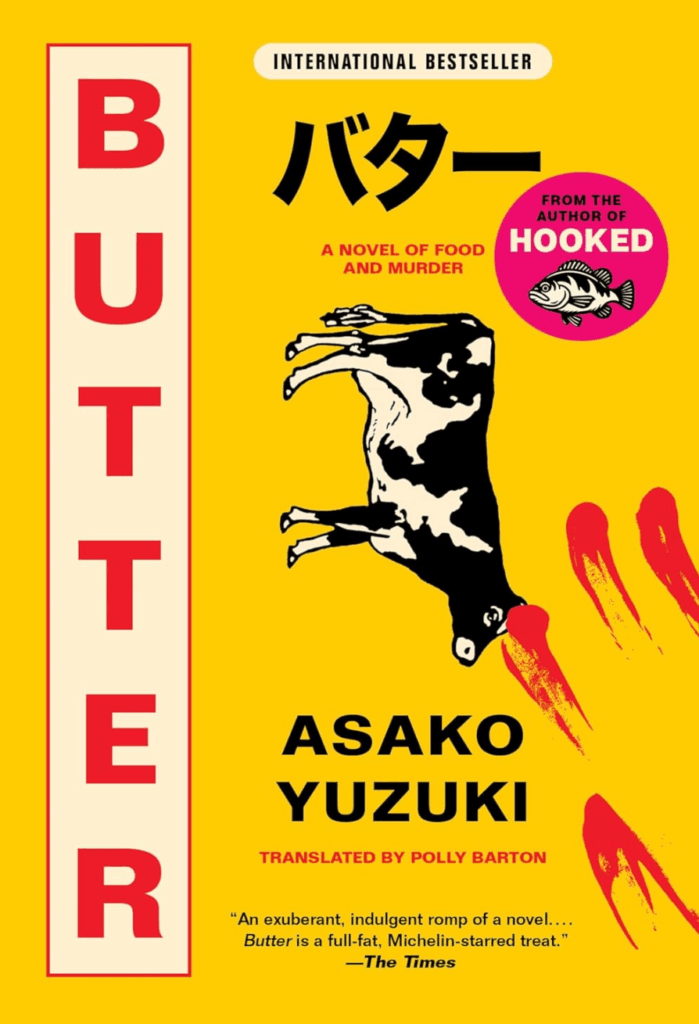
5. Butter by Asako Yuzuku
Butteris a novel ‘of food and murder’ that was inspired by a real-life Japanese criminal case.
The novel follows a female journalist investigating a woman accused of manipulating and murdering men through her cooking. As part of her work to uncover the truth, her relationship with food begins to change as well.
Butter became an international bestseller for good reason. It’s part murder mystery, part social commentary, and part love letter to good food!
On my future reading list of Japanese translated literature is Asako Yuzuku’s latest book, Hooked.
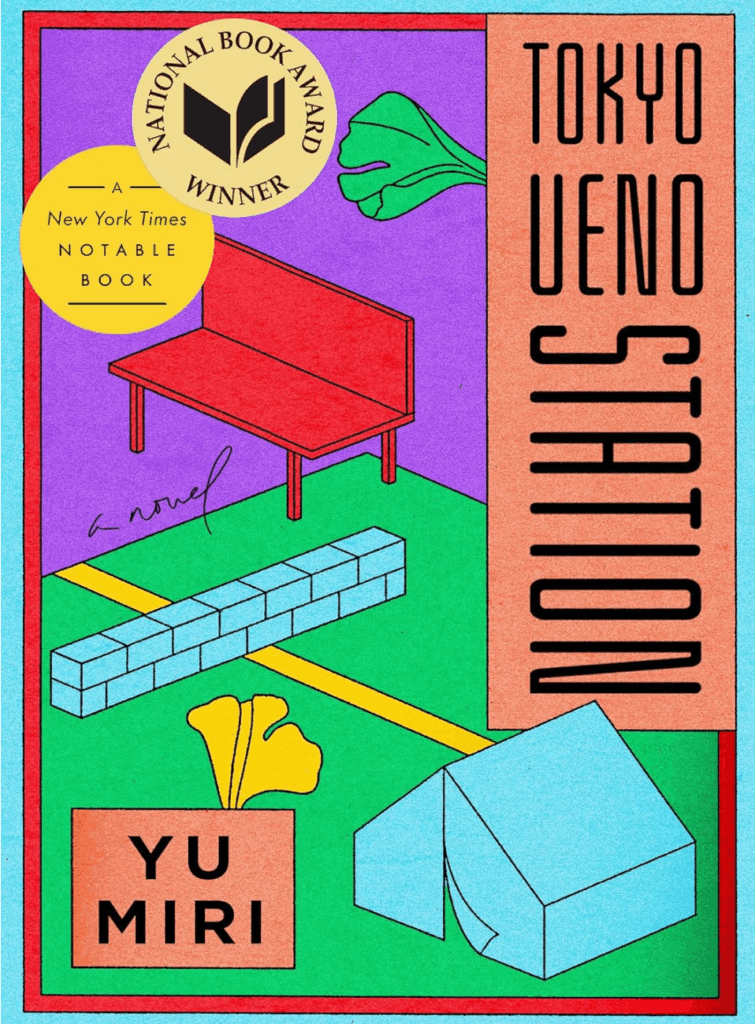
6. Tokyo Ueno Station by Yu Miri
Tokyo Ueno Station tells the story of Kazu, a homeless man reflecting on his life in Tokyo’s Ueno Park. Through his memories, readers follow his journey from rural Japan to Tokyo, where he ultimately found himself living on the margins of society.
This meaningful book opened my eyes to homelessness and the homeless experience in Tokyo and Japan. Visitors often see Japan as clean, safe, and prosperous, but this book shines a light on people whose stories are rarely told.
Through Kazu’s experiences, the novel compassionately explores poverty and social isolation in modern Japan.
Weird and Quirky Japanese Translated Literature
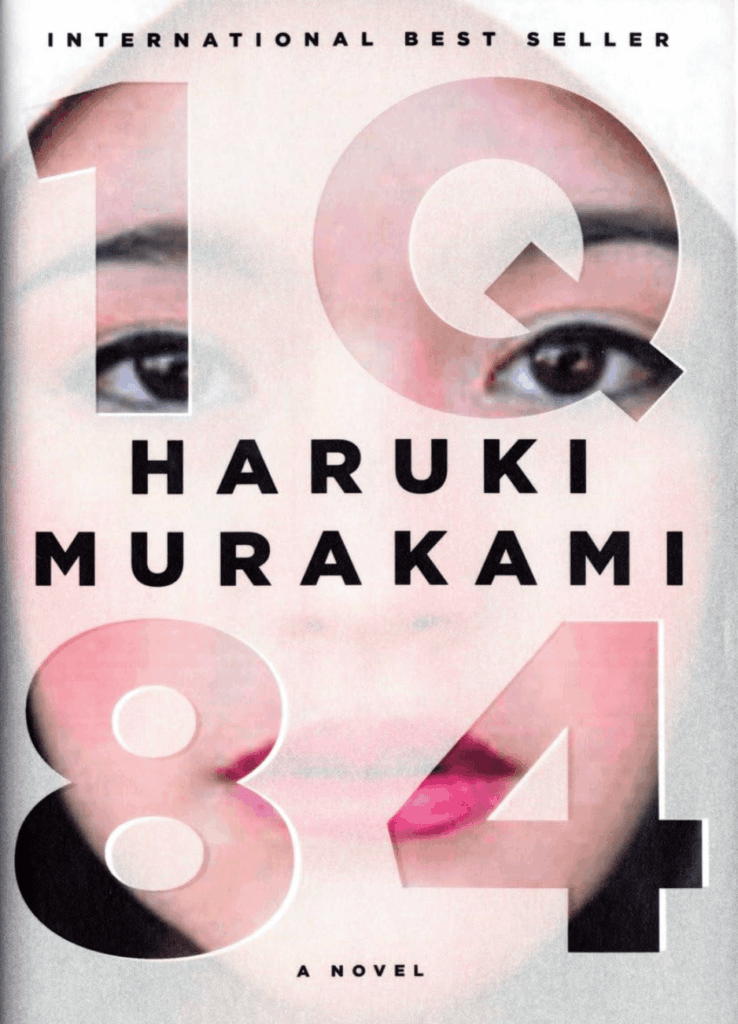
7. 1Q84 by Haruki Murakami
No list of weird and surreal Japanese books is complete without Haruki Murakami, arguably the most famous Japanese author of all time. His books will transport you to Japan, but it might be Japan in a parallel universe.
1Q84 takes place in Tokyo in 1984, but the main character Aomame starts to notice dystopian differences to the Tokyo she’s witnessing and experiencing. Her life starts to intertwine with Tengo, a male author, who may or may not be in the same dimension as Aomame.
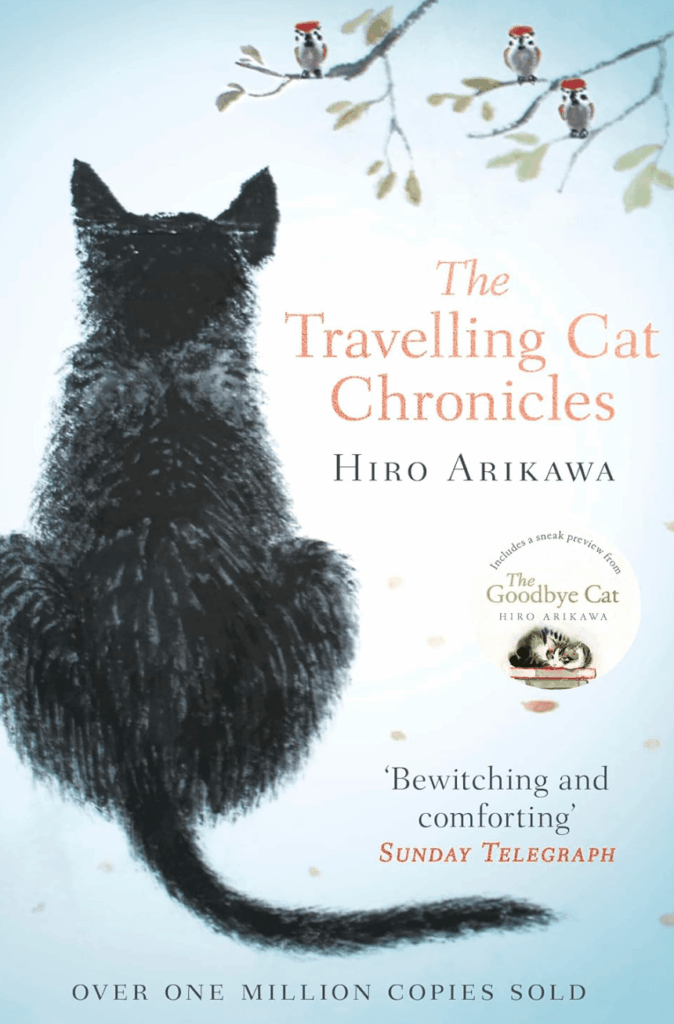
Nana is an intelligent and sassy cat, who cares about his human, Satoru, although he’d be reluctant to admit it. Satoru and Nana travel in a van across Japan, meeting and reminiscing with Satoru’s old friends, while making many new memories along the way.
The Traveling Cat Chronicles reminds you to appreciate the little things in life, because one day they’ll be the big things.
9. Before the Coffee Gets Cold by Toshikazu Kawaguchi
Before The Coffee Gets Cold is a slow and cozy Japanese novel that takes place in a basement cafe in Japan, which also serves as a portal to time travel. Like the rest of Japanese society, there are some rules attached to time-travel. The most important rule is that you need to return to present day before your coffee gets cold.
The novel consists of four short stories where a diverse set of characters want to time travel for personal reasons. By the end of the book you’ll be asking yourself what you might want to travel back in time for too.
The book is one of five in the series, and each one offers its own unique, heartfelt story. If you enjoy the first book, the rest of the series is worth adding to your reading list too.
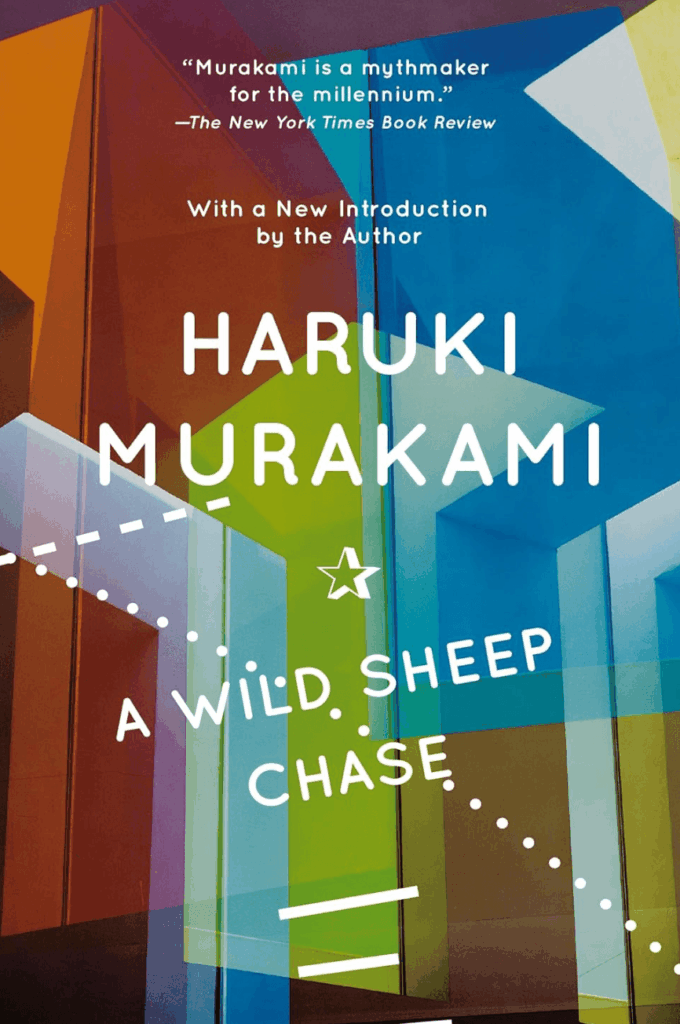
10. A Wild Sheep Chase by Haruki Murakami
A Wild Sheep Chase is one of my favorite Haruki Murakami books. The story mostly takes place in Hokkaido, when the main character is tasked with finding a mysterious sheep with a peculiar birthmark.
He’s given minimal clues as to where to go, but encounters many fantastic illusions and bizarre characters along the way, typical of Murakami novels.
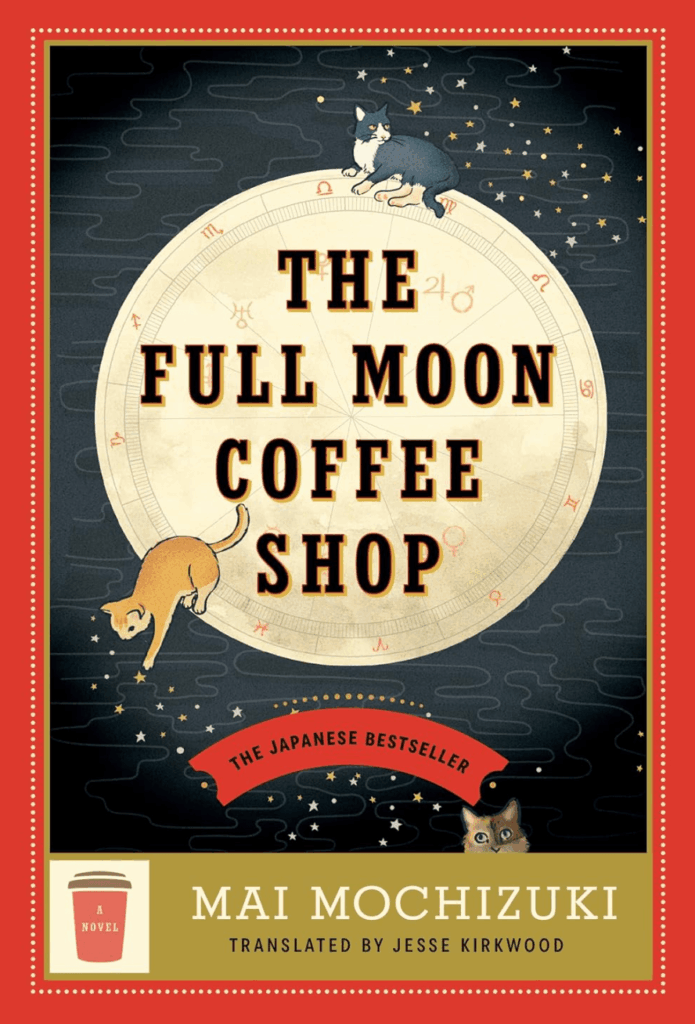
I received The Full Moon Coffee Shopas a Christmas present. The story’s themes of change, uncertainty, and new beginnings felt particularly fitting for the new year period, when many of us are reflecting on the year that’s passed and the one ahead.
The story follows different people who find themselves at a mysterious café that only appears under the full moon. Instead of taking orders, the café’s feline staff serve desserts and drinks inspired by astrology, while helping their customers reflect on the choices, challenges, and opportunities in their lives.
I once read a complaint in an online forum that Japanese translated literature is limited to cozy, feel-good books and books about cats. That person could not be more wrong!
These Japanese thriller and mystery novels will have you turning pages late into the night, trying to solve murders before the detective does, and occasionally sleeping with the lights on. From locked-room mysteries and serial killers to psychological thrillers and supernatural horror, these books showcase a darker side of Japanese literature that is every bit as gripping and gruesome as its Western counterparts.
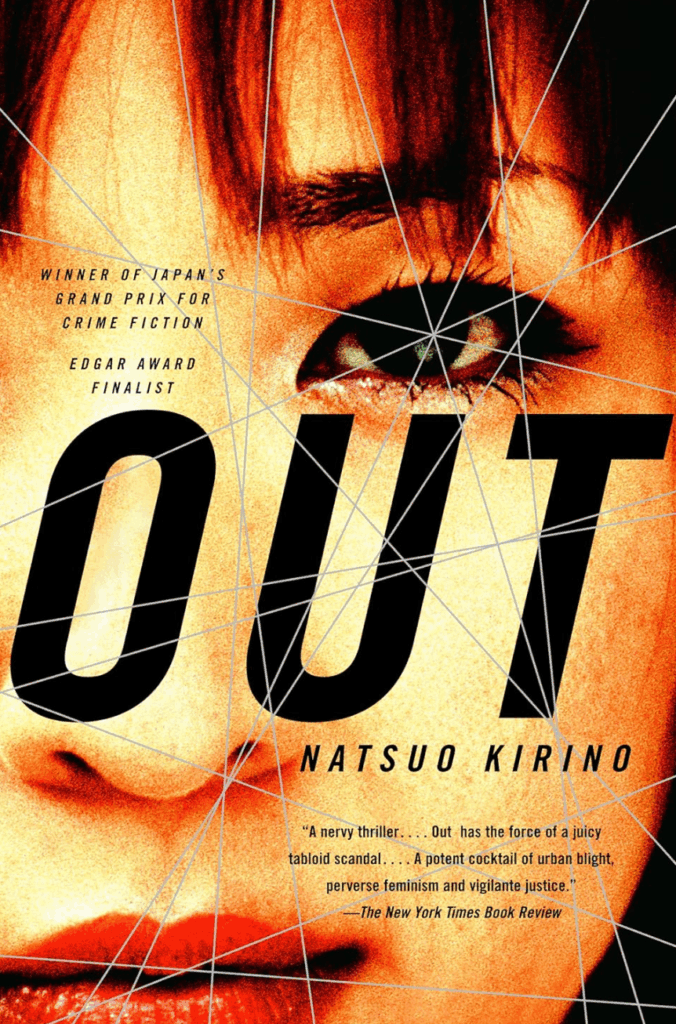
12. Out by Natsuo Kirino
Just a few decades ago, female Japanese authors were boxed into writing one type of genre only: romance novels. Natsuo Kirino is one of the first female Japanese authors to break the mold in a big way. Her crime thriller novel Out is has gore, suspense, and a wife who kills an abusive husband.
This novel follows four Japanese housewives, all struggling in their personal lives while working the night shift at a Japanese bento box factory. When an accidental murder implicates all four of them, their lives start to spiral in unimaginable ways.
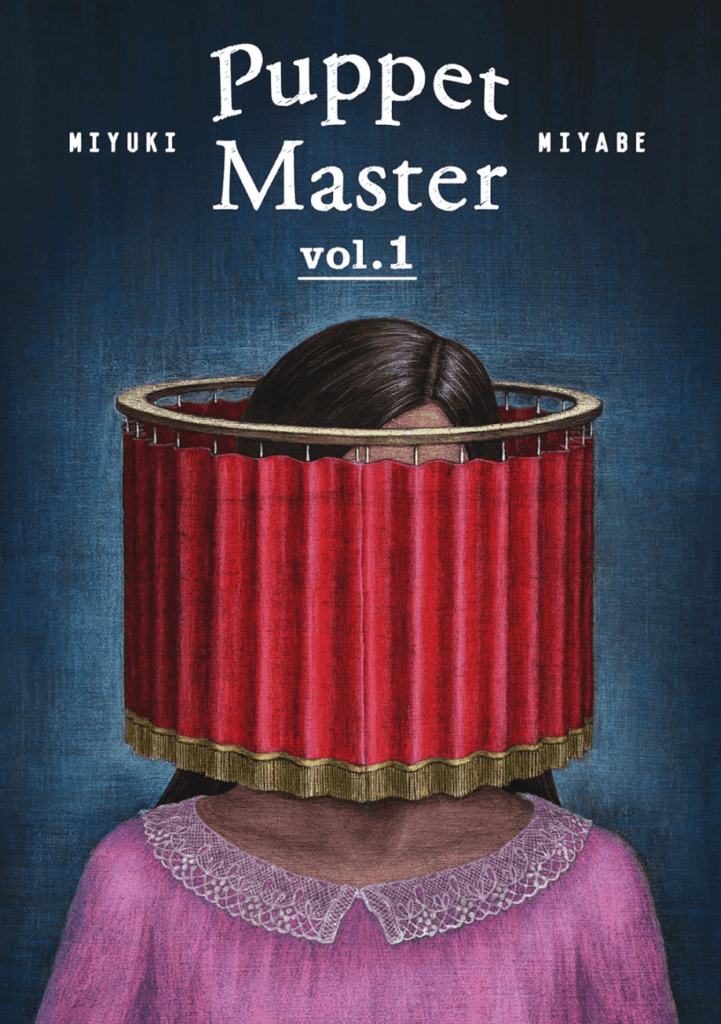
Miyuki Miyabe is a famous Japanese author known for her crime fiction books. The Puppet Masterseries, which consists of five volumes, follows the story of a brutal serial killer who taunts and escapes the police over and over.
If you like stories like the U.S. Zodiac, the serial killer who heckled the San Francisco police in the 1960’s, you’ll enjoy Puppet Master as well. In this fictional series, the novel unfolds from the perspective of the killer, the police and detectives, and the family members of the murder victims.
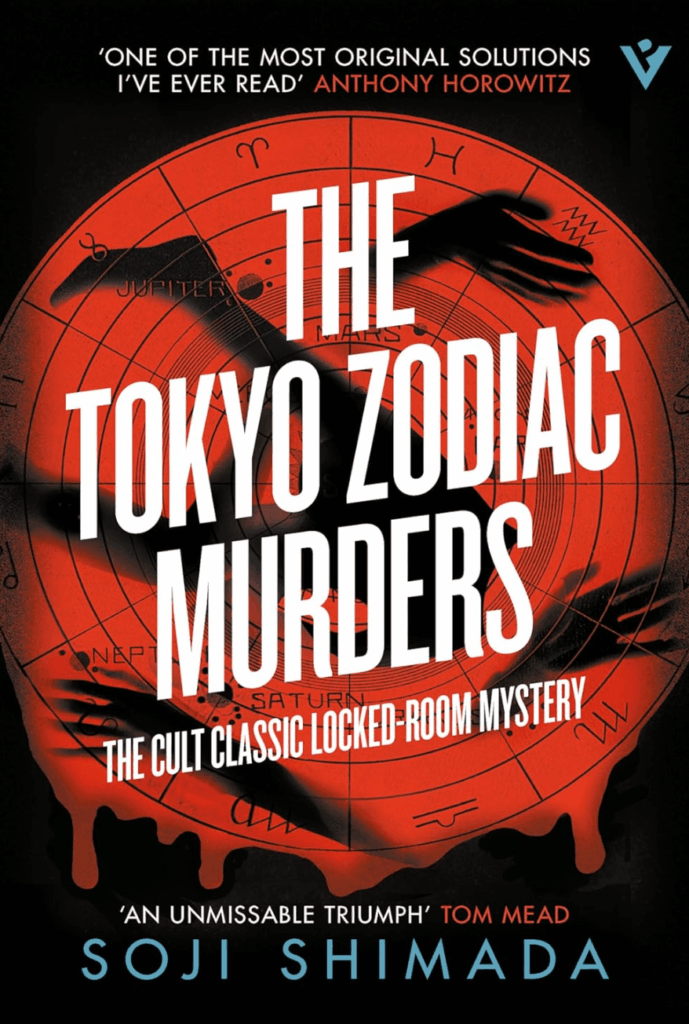
14. Tokyo Zodiac Murders by Soji Shimada
This locked-door murder mystery is every armchair detective’s dream. A demented painter is found murdered in his locked art studio, and the bodies of his female relatives are found one by one all over Japan.
The author discloses at the beginning of his book that readers will be given all the clues needed to solve the Tokyo Zodiac murder mystery on their own.
I didn’t manage to solve it – will you?
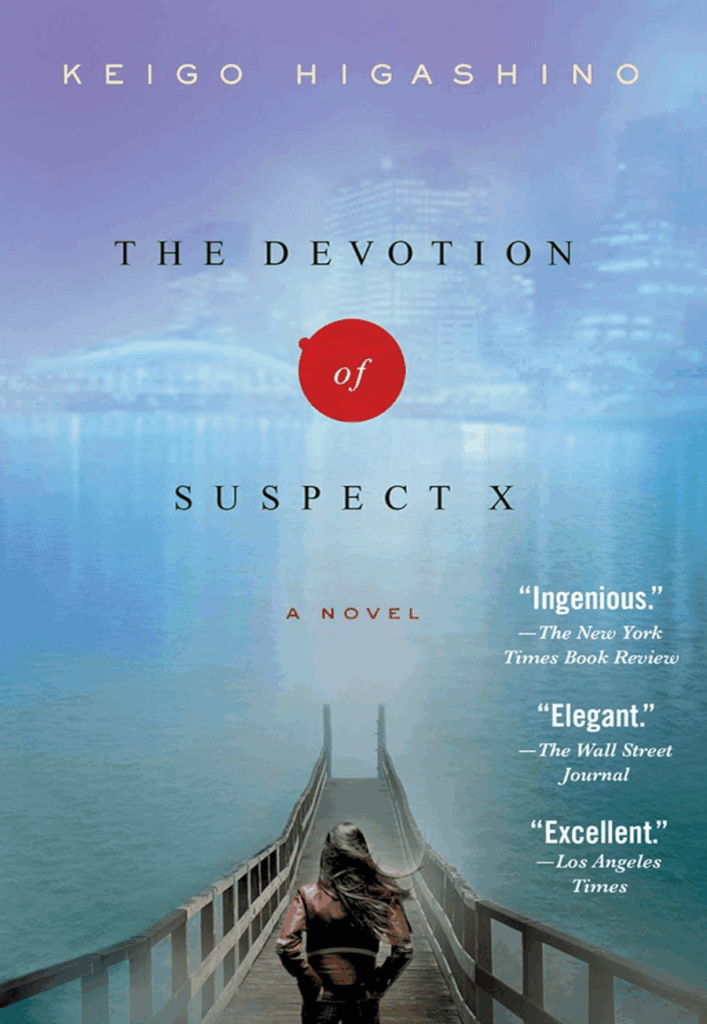
15. Devotion of Suspect X by Keigo Higashino
This book is one of Keigo Higashino’s most popular thriller novels, for good reason. An accidental murder and subsequent cover-up pits two brilliant minds against each other in the Devotion of Suspect X.
A reclusive but quick thinking math teacher tries to stay one step ahead of the famous Detective Galileo throughout the novel. The reader will find themselves rooting for both sides, as the line between good and evil is blurred.
The Devotion of Suspect X is my favorite one of Keigo Higashino’s books, but I’ve also read and can recommend Under the Midnight Sun and A Death in Tokyo.
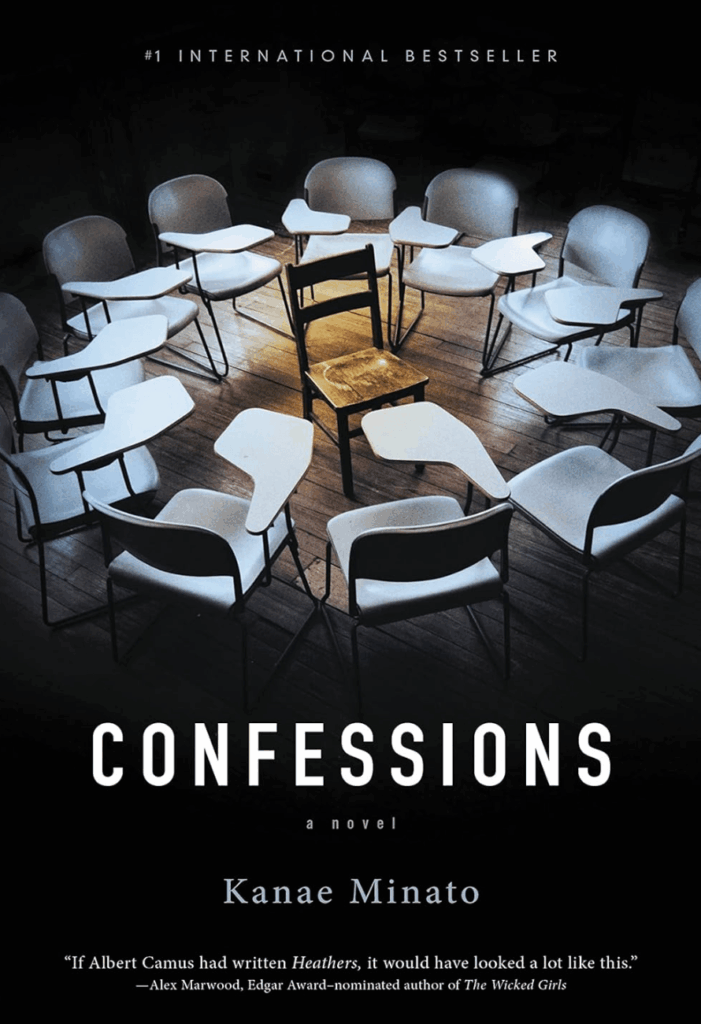
16. Confessions by Kanae Minato
In Confessions, elementary school teacher Yuko Moriguchi’s world is shattered when her young and only daughter is found dead at her school. The death was no accident however. The day Yuko resigns from her teaching position, she makes an alarming confession outlining her revenge on the students who were involved in her daughter’s death.
The novel is a dark psychological thriller that follows Yuko and the students who were the subject of her revenge. As the story continues, even more alarming confessions will be made.
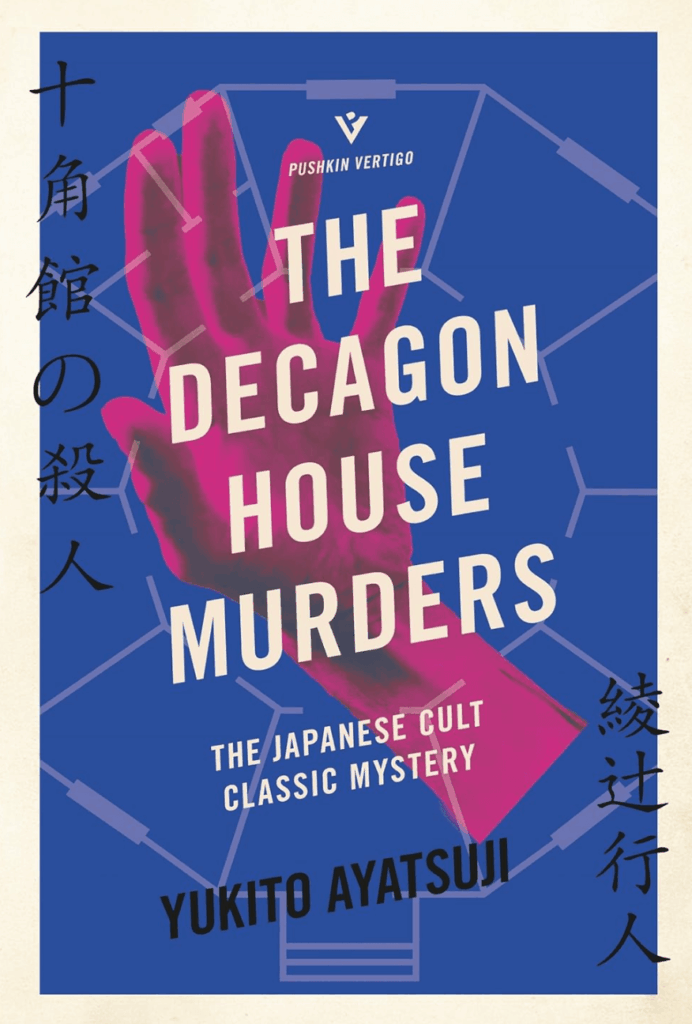
17. Decagon House Murders by Yukito Ayatsuki
Fans of Agatha Christie’s classic mystery novel And Then There Were None will rejoice at The Decagon House Murders, the modern Japanese answer to it.
Students of a Japanese university detective club, Agatha Christie fans themselves, travel to a remote island where, you guessed it, one by one they are found murdered. Can the brilliant minds of mystery-loving university students solve the case before they’re killed themselves?
Ryu Murakami has been called “the other Murakami” due to his thrilling and confronting novels of comparable prowess as the OG Haruki Murakami.
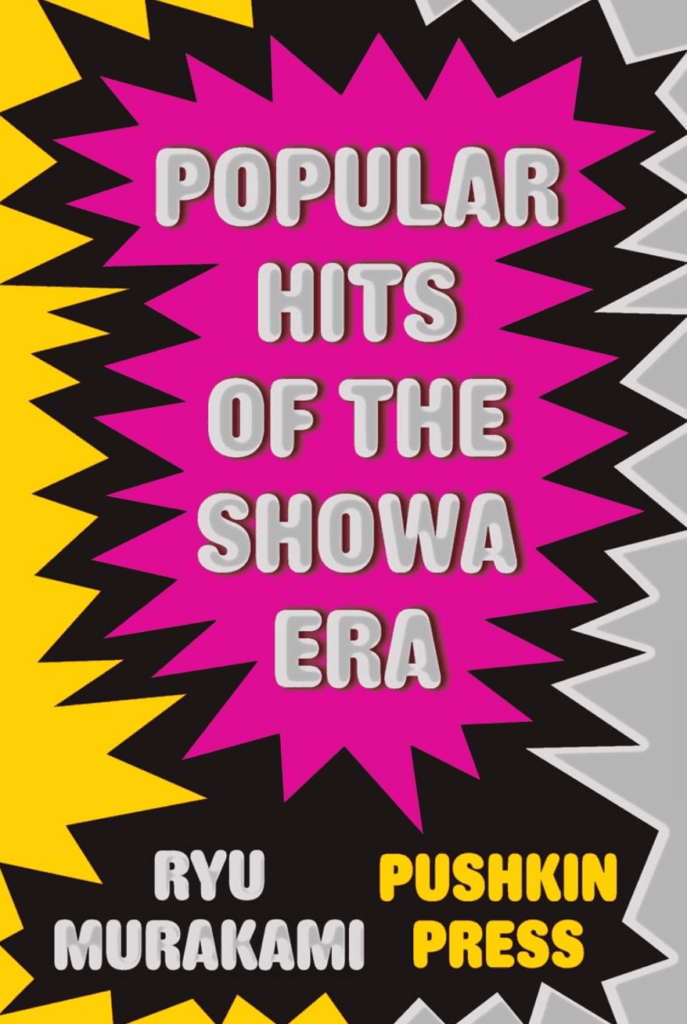
Popular Hits of the Showa Erapits together a group of aimless young men against a group of gossipy middle-aged women. After a lethal prank made by one of the young men, an epic cycle of revenge begins. Their methods of retribution escalate to insane proportions, all coming together in an unforgettable finale.
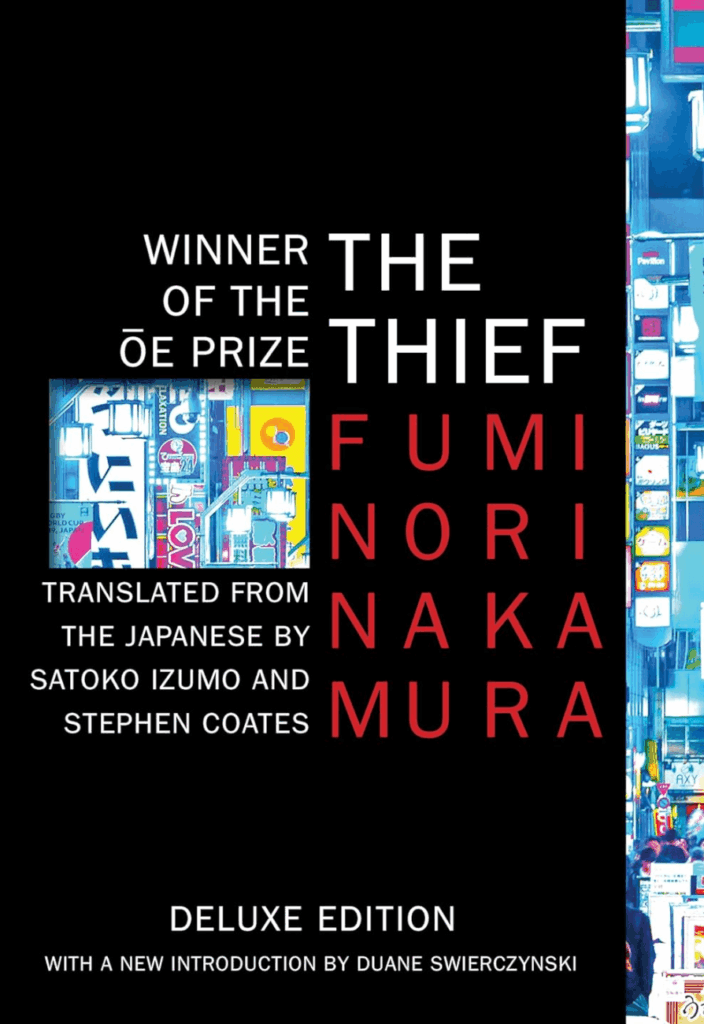
The Thief is a Japanese crime novel that follows the actions of a Tokyo-based pickpocket. His crimes are non-violent: stealing from the rich and giving to himself, sometimes without even remembering when and where he stole a wallet.
One day he’s approached by an old partner, and is offered to take on a job for the yakuza that he cannot refuse. After he fulfills his obligation, the yakuzas call him back. He realizes too late that he may be in over his head.
Fuminori Nakamura is known for writing dark, psychological crime novels that explore fate, morality, and life on the margins of society. Other equally grim novels by this author include Evil and the Mask, My Annihilation, and The Gun.
20. Bullet Train by Kotaro Isaka
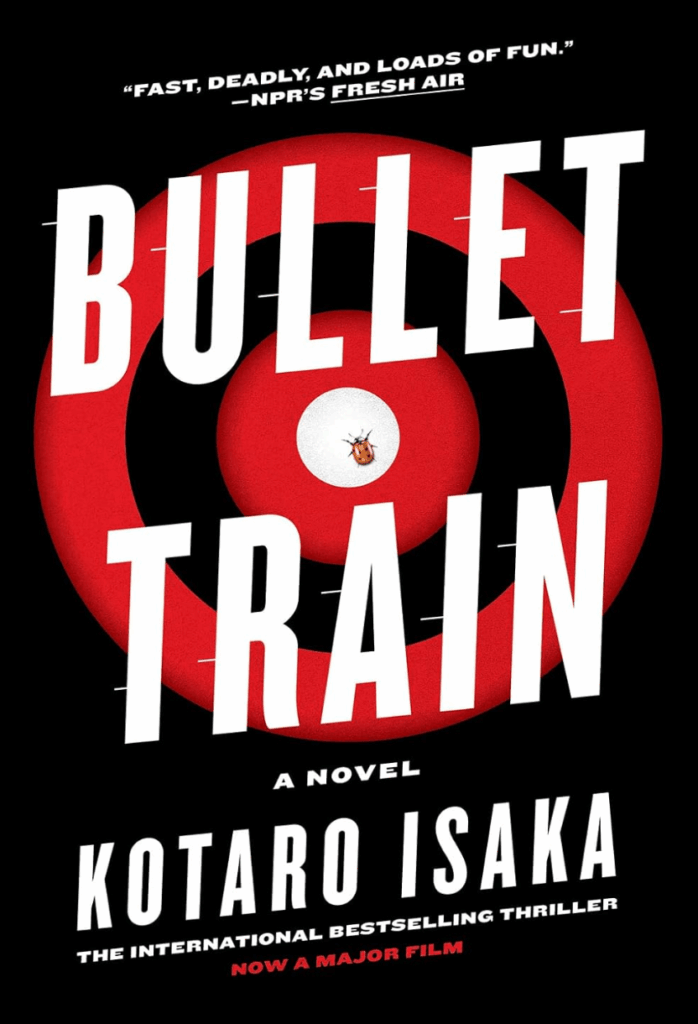
Bullet Train is a fast-paced Japanese thriller that takes place primarily inside a speeding shinkansen bulelt train. You may have seen the Hollywood movie adaptation with Brad Pitt, but guess what – the book is much better!
The book follows a group of eccentric assassins who all find themselves aboard the same shinkansen travelling from Tokyo to northern Japan. Each has a different mission, but as the journey unfolds, you realize their assignments may be connected unexpected ways.
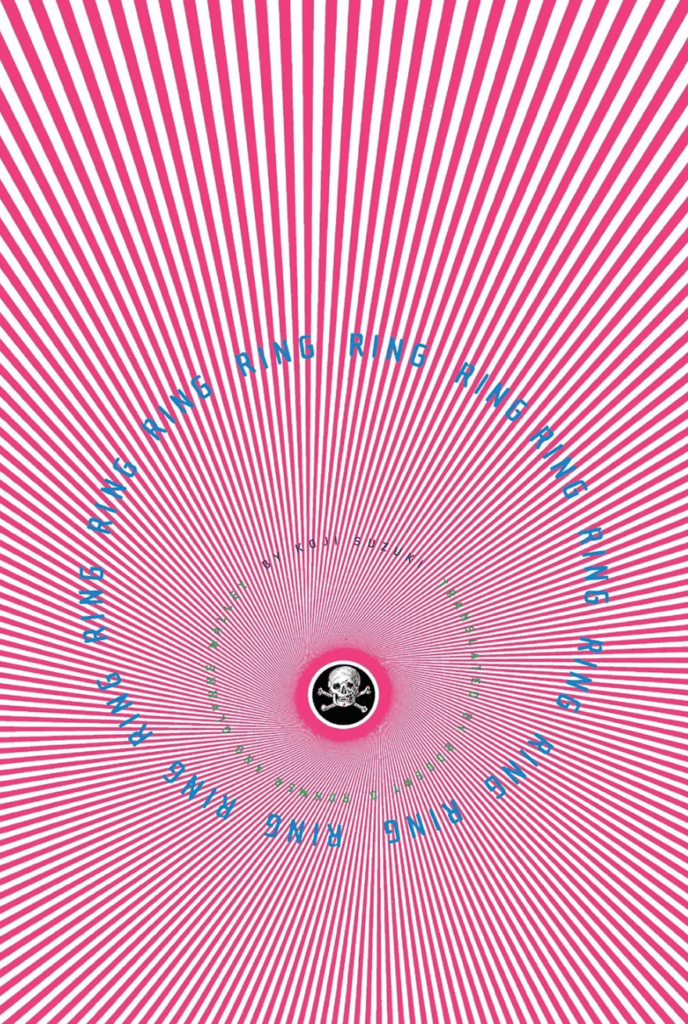
Long before it became one of Japan’s most famous horror films, Ring was a bestselling novel that terrified readers across the country.
The story begins when a journalist investigates a series of mysterious deaths linked to a videotape. According to rumor, anyone who watches the tape will die exactly one week later. As he digs deeper into the mystery, he uncovers a chilling connection to a young woman named Sadako and a curse that may be impossible to escape.
Often called Japan’s answer to Stephen King, Koji Suzuki helped redefine modern horror fiction with Ring.
If you’re interested in learning more about historical Japan, these novels are a great place to start. Through memorable characters and compelling stories, they give glimpses into different periods of Japanese history more vividly than a textbook ever could.
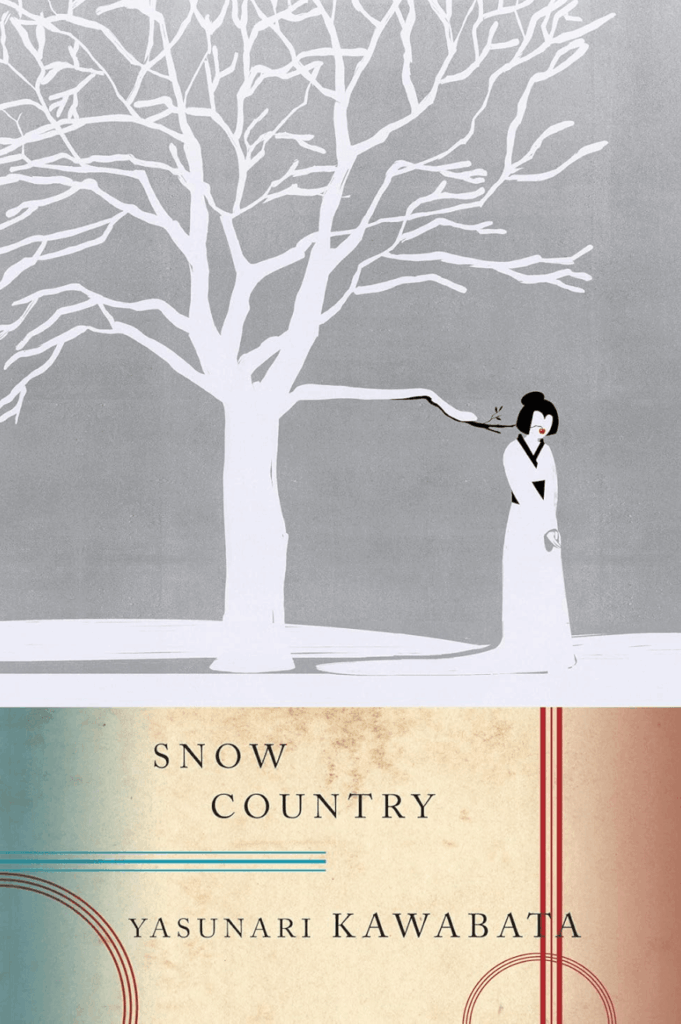
22. Snow Country by Yasunari Kawabata
Transport yourself to a hot springs town in one of the snowiest parts of Japan, in Snow Country. In these rural country towns, second-class geishas entertain ski lodge guests.
This story takes place in 1930’s Japan, where a down-on-her-luck geisha and a businessman from Tokyo fall in love (never mind his wife and kids back in Tokyo). The businessman, Shimamura, comes to visit the onsen lodge multiple times per year, and their forbidden romance unfolds.
The desolate setting in the remote, snow-covered town is a perfect backdrop for this story of hopeless love.
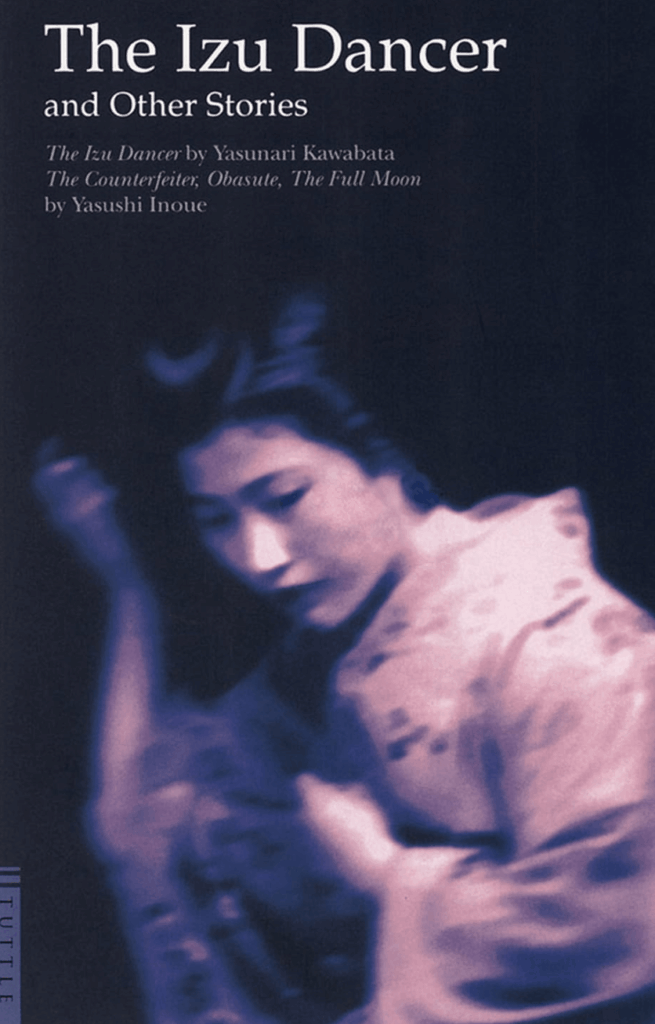
23. The Izu Dancer by Yasunari Kawabata
The Izu Dancer and other stories is also by Yasunari Kawabata, but worth another spot on my list of favorite Japanese translated literature (also in part because we’ve got a house on the Izu Peninsula). I should also mention Yasunari Kawabata was Japan’s first recipient of the Nobel Prize in Literature!
The story follows a lonely student travelling through the mountains and hot spring towns of the Izu Peninsula, where he encounters a troupe of travelling performers. As he journeys alongside them, he develops a quiet affection for a young dancer, leading to a brief but deeply meaningful connection.
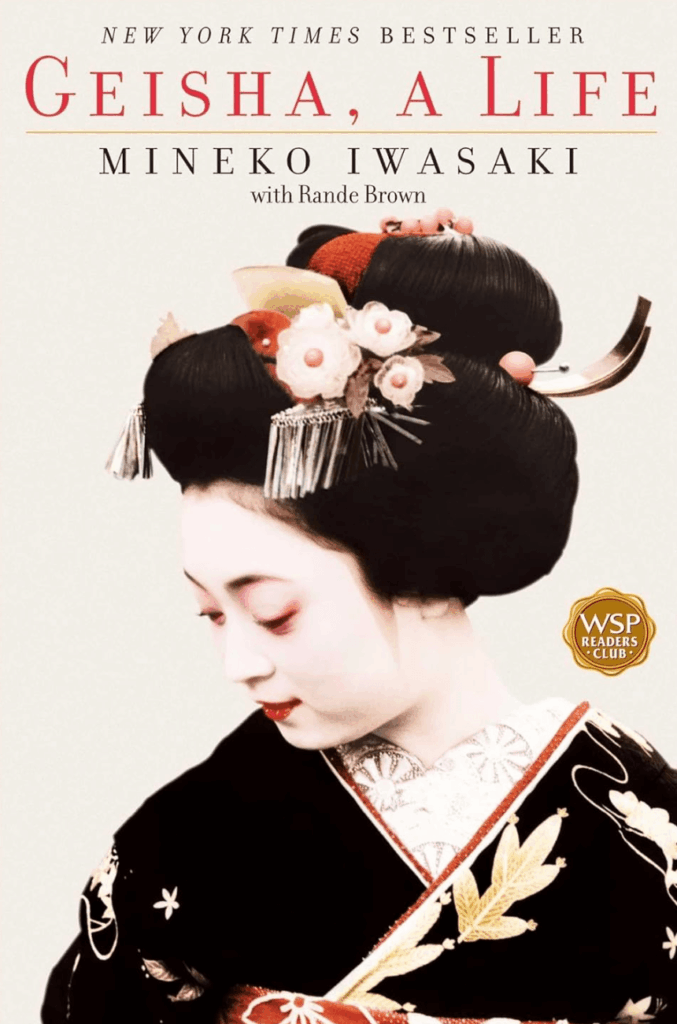
24. Geisha: A Life by Mineko Iwasaki
Geisha: A Lifeis the true story of the life of Mineko Iwasaki, one of the most famous Kyoto geishas of all time. Her experiences as a geisha were first told in the novel Memoirs of a Geisha by Arthur Golden, but unhappy with the many inaccuracies and how she portrayed, Mineko wrote her own version of her story.
She tells her life story from beginning training as a geisha, all the way to her retirement after World War II at 29 to get married. She also describes the different societal and political pressures around geisha culture in Kyoto.
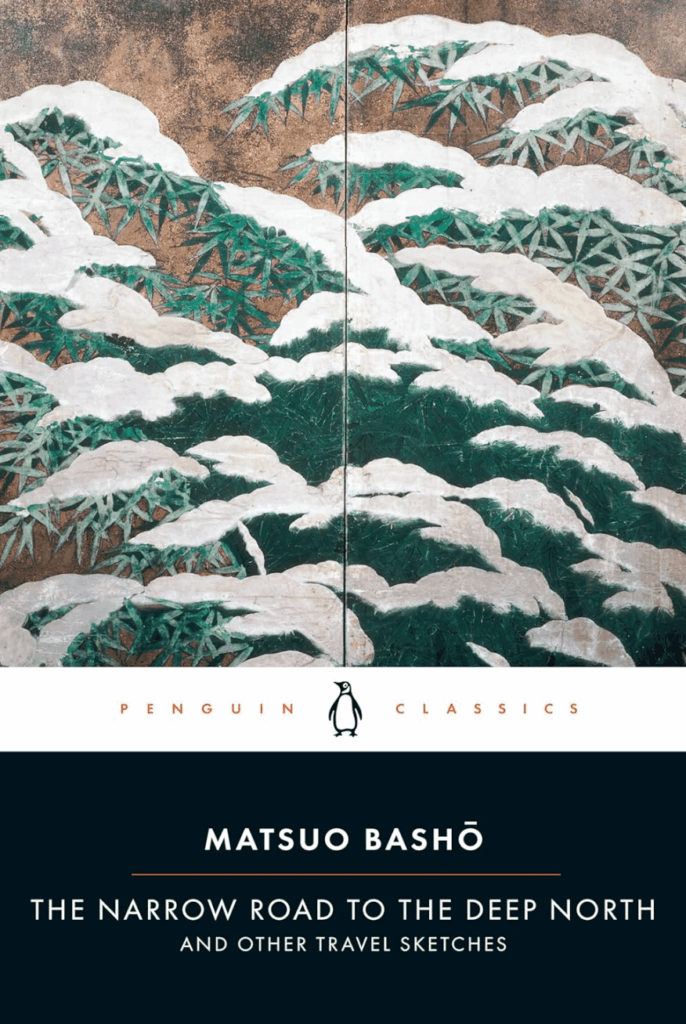
25. Narrow Road to the Deep North by Matsuo Basho
Matsuo Basho is one of Japan’s most prolific Edo-era haiku writers. This collection of his haikus is called Oku no Hosomichi (奥の細道) which translates to The Narrow Road to the Deep North.
The book chronicles Basho’s experiences in haiku form from when he walked 2,500 km over six months from Tokyo, up to Hiraizumi in north Japan, down the west coast and ultimately to Kyoto. This collection describes the beautiful natural landscapes he sees, the towns he passes through, and the thoughts he had along the way.
Known now as Basho The Wayfarer’s Journey, sections of his “narrow road” can be traced today as part of an epic multi-day hike in Japan.
Japanese Books to Transport You to Japan - Honorable Mentions
I promised at the beginning of this post that this list would encompass only Japanese books originally published in Japanese. However, I wanted to include these honorable mentions of wonderful books published in English, but that still can transport you to Japan.
Bonus 1: An Artist of the Floating World by Kazuo Ishiguro
Kazuo Ishiguro is a British author most famous for his Nobel Prize-winning novel Never Let Me Go. His historical fiction novel An Artist of the Floating World is based in his native Japan, and stars an elderly painter.
The painter held an esteemed role during World War II when he painted propaganda posters for the Japanese Imperial Army. After Japan’s surrender, he struggles when hearing of others like him atone for their war-time sins. He also strugges to understand the younger generation embrace more Western ways of life brought to Japan by the Americans.
The novel explores the changing landscape of post-war Japan, and how its citizens changed, or didn’t change, along with rapid globalization in Japan.
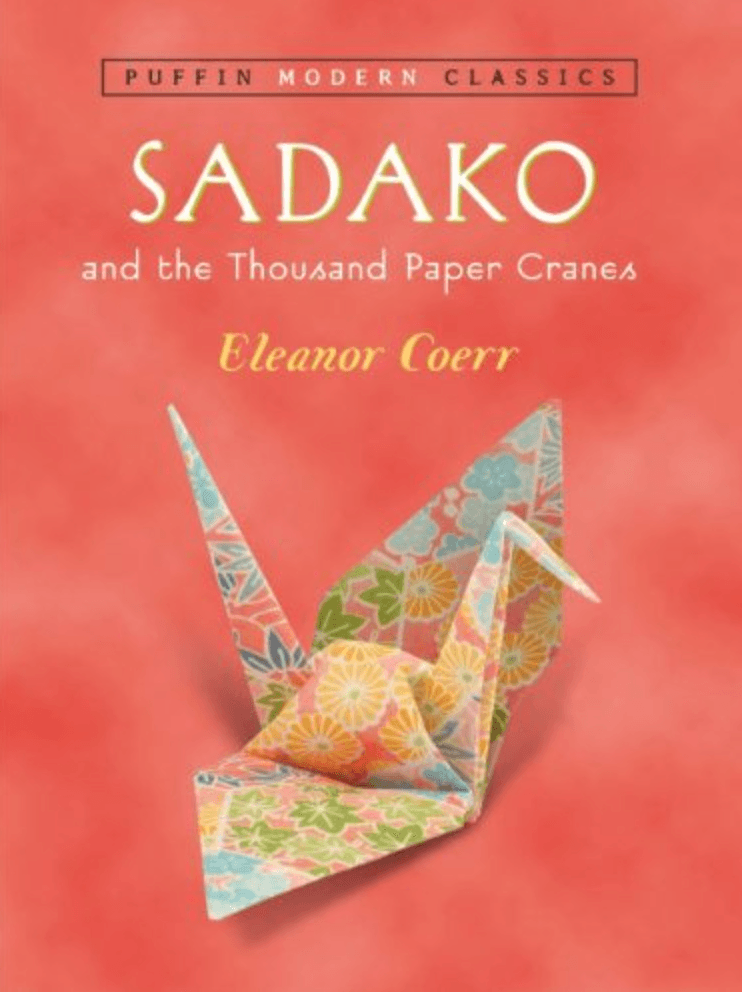
Bonus 2: Sadako and the Thousand Paper Cranes by Eleanor Coerr
The story of Sadako, a 12-year-old girl affected by the atomic bomb in Hiroshima, might be one of the most widely known Japanese stories outside of the country. Sadako and the Thousand Paper Cranes is a children’s historical novel written by Canadian author Eleanor Coerr, based on the true story of Sadako Sasaki who developed leukemia from radiation exposure from the Hiroshima atomic bomb.
In Japanese folklore, someone who folds 1000 paper cranes is granted one wish, and of course Sadako’s was the most important wish of all – to live. At the Hiroshima Peace Memorial, a statue and peace bell have been built in her honor, and thousand-paper-crane mobiles from around the world are hung here as a powerful reminder to people of all ages of the cost of war on innocent lives.
Bookmark these Japanese books by pinning for later: