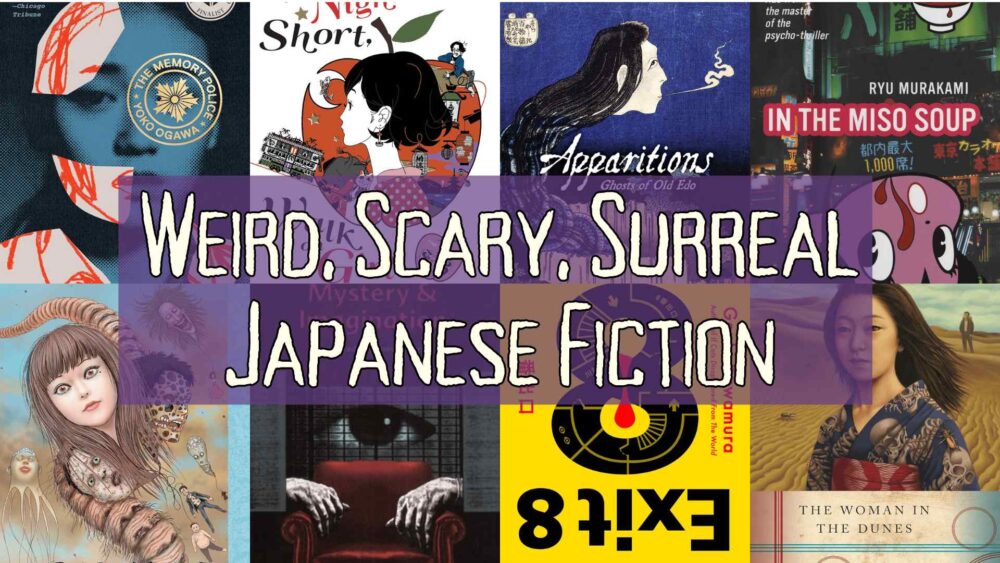
Traslated Japanese literature isn’t just cozy cafés, talking cats, and heartwarming life lessons. It also has a stranger, scarier, and completely unhinged side too.
From cursed videotapes and ghostly encounters to dystopian worlds and alternate realities, Japanese authors have written some of the most unsettling and imaginative works out there.
If you’re ready to venture beyond cozy Japanese fiction, these weird, surreal, and scary Japanese books showcase some of the most unforgettable corners of Japanese literature.
This post contains Amazon.com affiliate links. If you choose to purchase anything through these links, I may receive a tiny commission at no extra cost to you. Thanks for supporting my site!
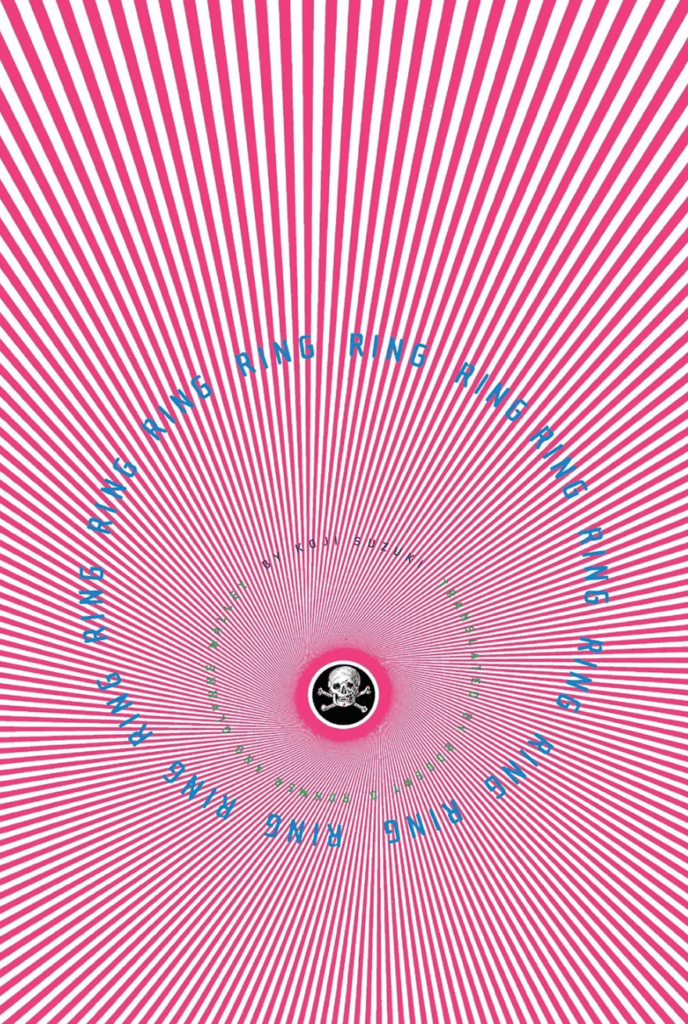
1. Ring by Koji Suzuki
Before The Ring or Ringu became one of Japan’s most famous horror films, Ring was a bestselling novel by Koji Suzuki.
The story follows a journalist investigating a series of mysterious deaths linked to a cursed videotape. According to the rumor, anyone who watches the tape will die exactly seven days later. As he digs deeper, he uncovers the terrifying story behind the curse and the figure of Sadako, one of Japanese horror’s most iconic characters.
More mystery-driven than the film adaptation, Ring combines supernatural horror with investigative suspense. It’s creepy, atmospheric, and a must-read for anyone interested in Japanese horror literature.
Just like how there are three Ring movies, Koji Suzuki wrote two scary sequels, Spiral and Loop.
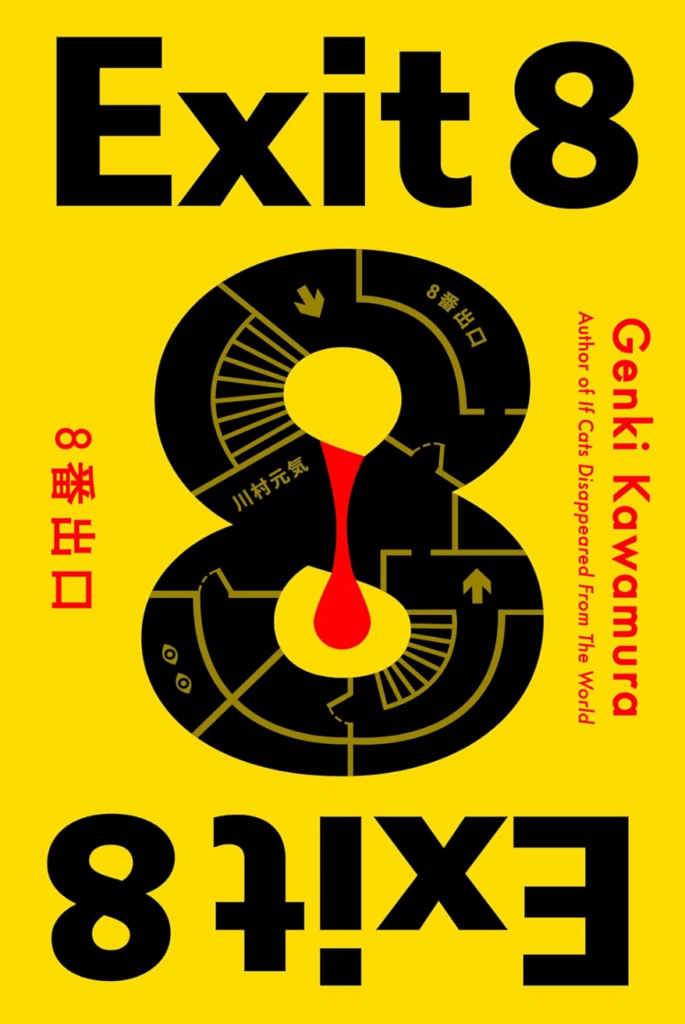
2. Exit 8 by Genki Kawamura
Exit 8is written by Genki Kawamura, the author of If Cats Disappeared from the World from my list of cozy Japanese cat books. This novel shows a much darker side of his writing.
Based on the viral Japanese horror videogame and now a live-action film as well, the story follows a protagonist trapped in an endless underground passageway. Strange anomalies appear without warning and if you miss one, you’ll find yourself back at the beginning.
Exit 8 turns an ordinary Japanese subway corridor into a psychological nightmare.
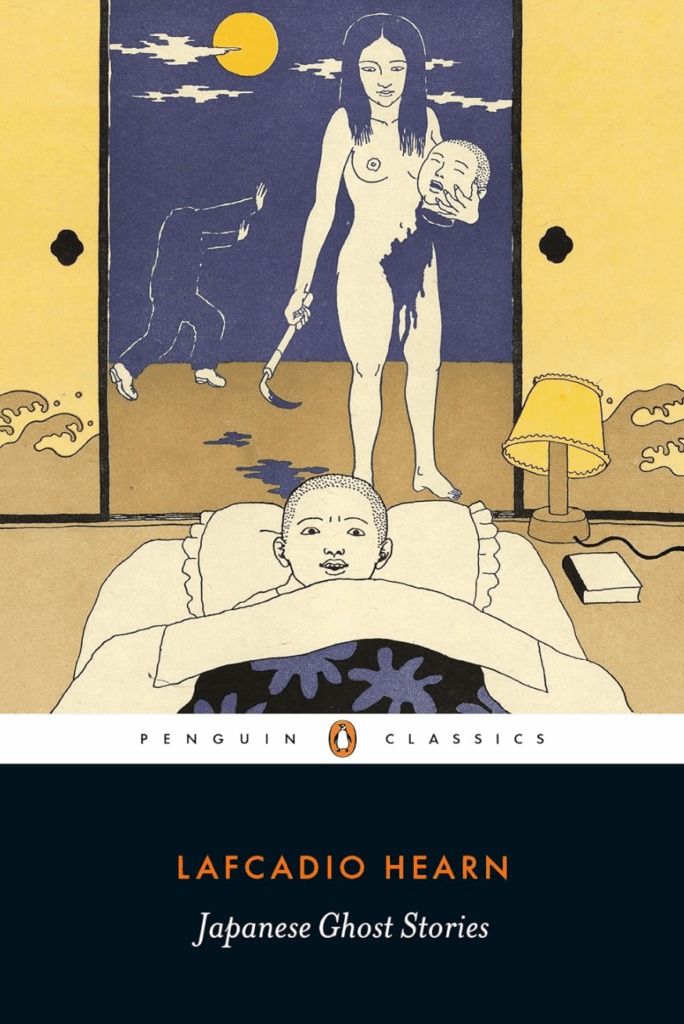
3. Japanese Ghost Stories by Lafcadio Heard
If you’re interested in Japanese horror, Japanese Ghost Stories by Lafcadio Hearn is a great place to start. First published 1904, this collection helped introduce traditional Japanese folklore and ghost stories to Western audiences.
Drawing on legends, folktales, and supernatural encounters from across Japan, Hearn’s stories are filled with vengeful spirits, mysterious apparitions, and eerie encounters that still feel unsettling today.
More than a century later, these tales remain some of the most famous and influential works of Japanese horror literature, making them the OG collection of Japanese scary stories.
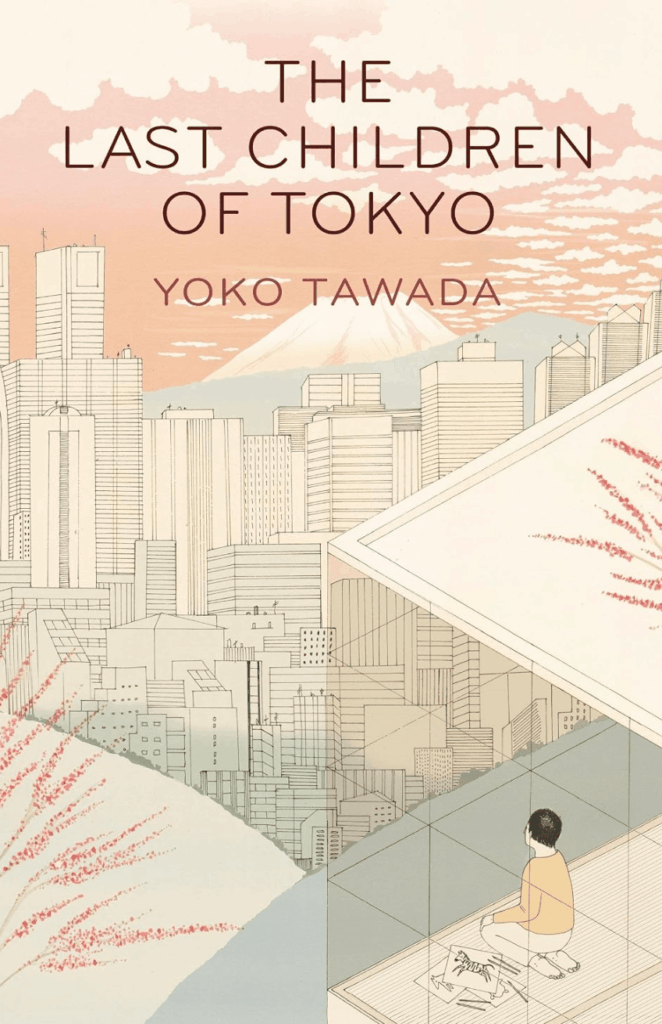
4. The Last Children Of Tokyo by Yoko Tawada
The Last Children of Tokyois a science fiction epic based in a post-apocalyptic world in an isolated Japan, after an environmental catastrophe. In this world, elderly are living longer lives, while children are born more fragile and sickly.
The story follows great-grandfather Yoshiro and his great-grandson Mumei as they navigate this strange reality. Part dystopian novel and part social commentary, the book explores aging, environmental decline, and the future of Japanese society through a truly surreal lens.
Strange and imaginative, The Last Children of Tokyo is one of the most distinctive works of contemporary Japanese science fiction.
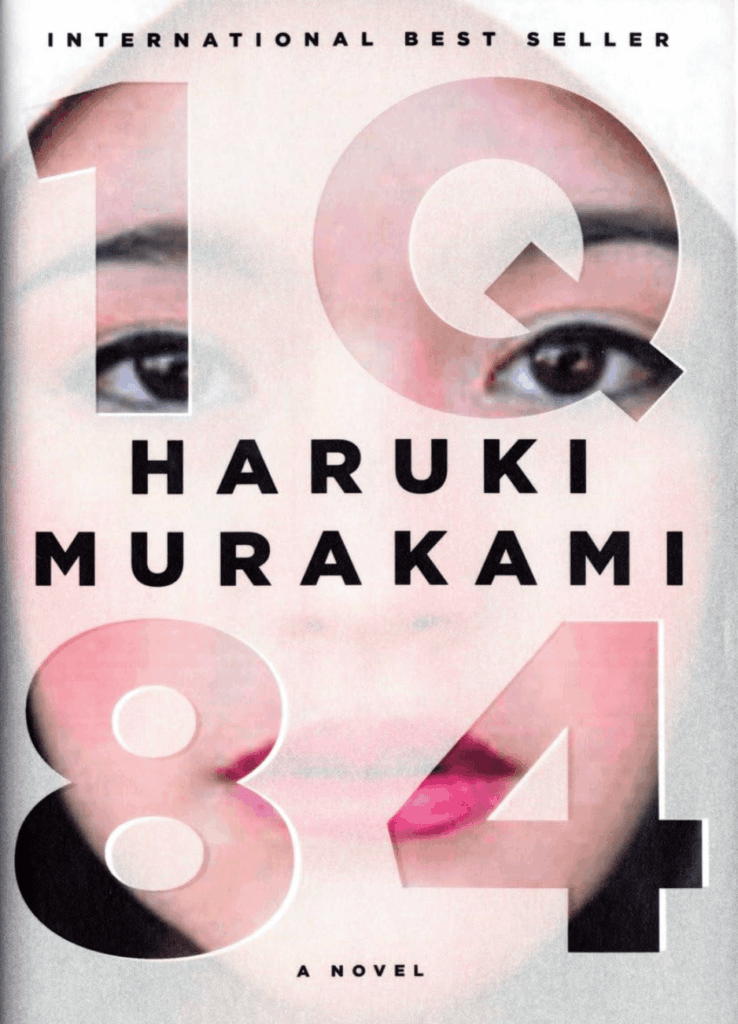
5. 1Q84 by Haruki Murakami
No list of weird and surreal Japanese literature would be complete without Haruki Murakami, one of Japan’s most famous contemporary authors. Many of his novels blur the line of reality, but 1Q84 is considered one of his most popular and surreal works.
The story follows Aomame and Tengo, two strangers whose lives become intertwined in an alternate version of Tokyo. Although the year appears to be 1984, subtle differences begin to emerge including mysterious cults, unexplained events, and even a second moon hanging in the sky.
Part love story, part mystery, and part surreal fantasy, 1Q84 is a fascinating introduction to Murakami’s strange and unforgettable literary world.
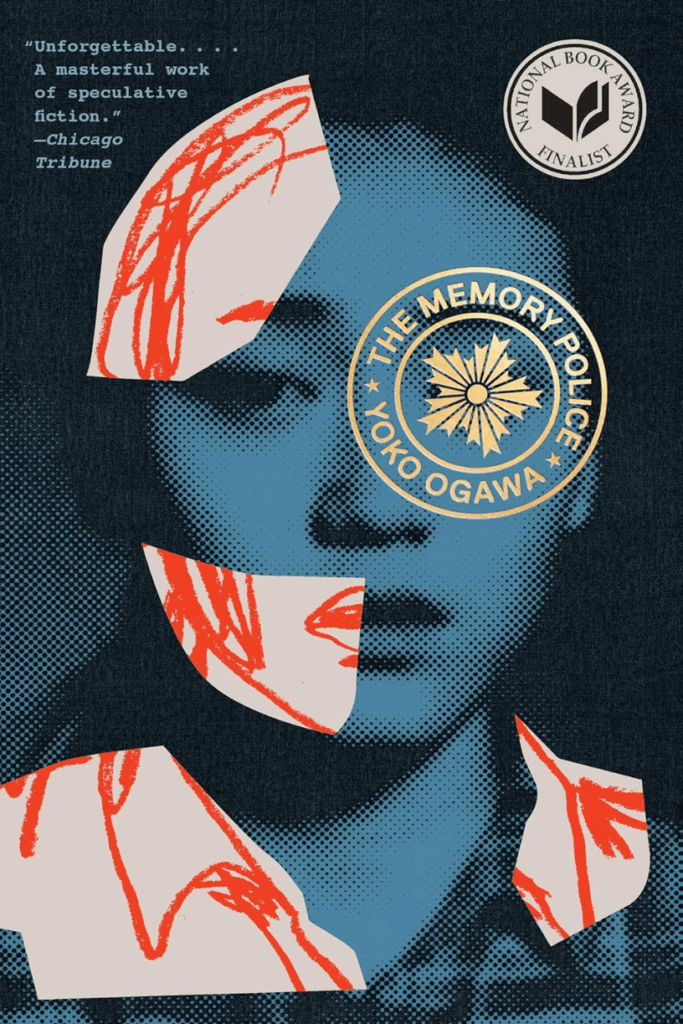
6. The Memory Police by Yoko Ogawa
The Memory Police takes place on an isolated island where people lose all memory of objects that keep disappearing, one after another. The authorities, known as the Memory Police, ruthlessly enforce these disappearances. The people who still remember try to escape from the island and evade the police.
Written by Yoko Ogawa, this haunting dystopian novel explores memory, censorship, and the fragility of identity. Quiet and thought-provoking, it’s one of the most well-known works of Japanese science fiction.
If you love this book, the author’s also written a collection of similarly unsettling short stories in her book Revenge.
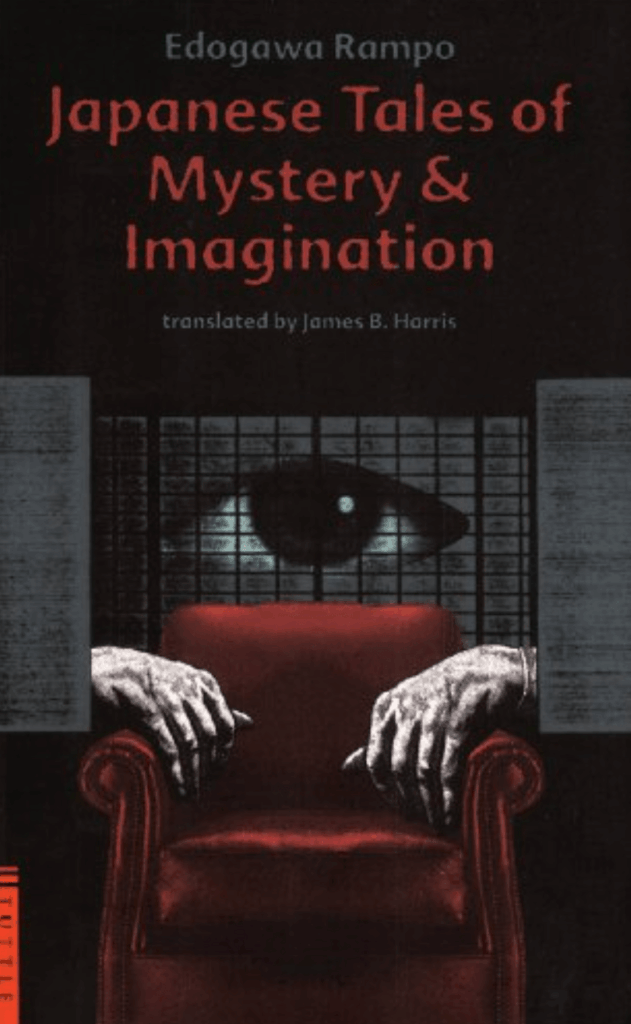
7. Japanese Tales of Mystery and Imagination by Edogawa Ranpo
Japanese Tales of Mystery and Imagination is a collection of short stories by “Edogawa Ranpo”, the Japanese “Edgar Allen Poe” – get it? Just like the classic British author, Edogawa Ranpo is a master of the surreal and macabre.
This collection of short stories features twisted crimes, strange obsessions, and unsettling mysteries that will have you questioning what is reality and what is madness.
Many of the tales were considered shocking when they were first published, and they helped shape the development of Japanese mystery and horror fiction.
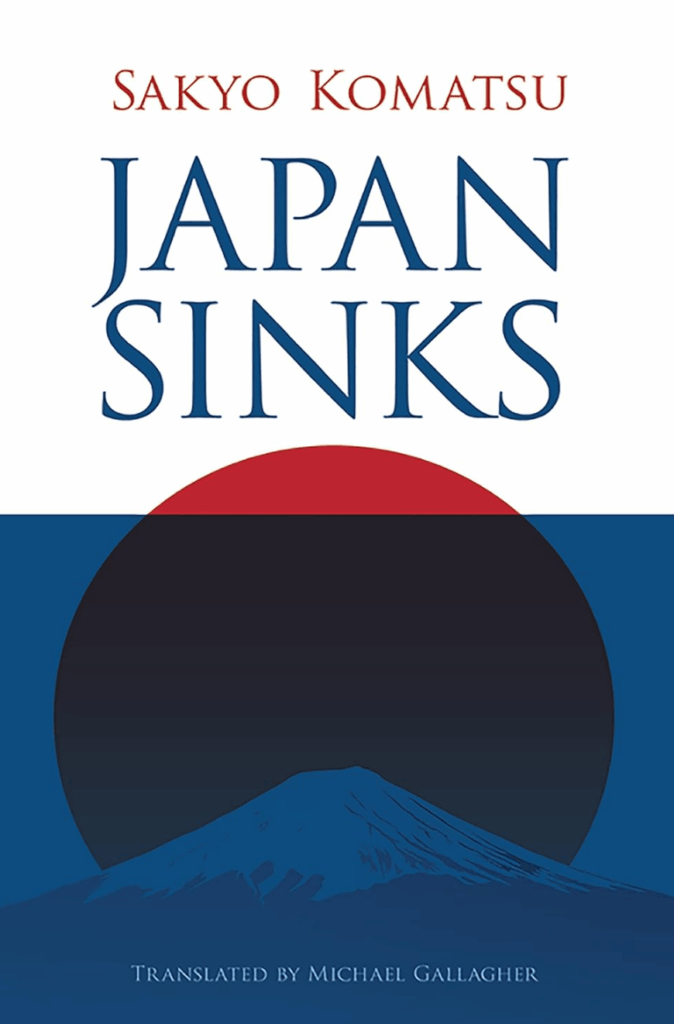
8. Japan Sinks by Sakyo Komatsu
Japan Sinks is a science fiction novel that images a future where Japan is getting pummelled by earthquakes, volcanic eruptions, and other natural disasters.
Part disaster thriller and part social commentary, the novel explores how ordinary people, governments, and society respond when faced with an existential crisis.
Hugely influential in Japan, Japan Sinks has inspired multiple film, television, and anime adaptations and is one of the country’s most famous works of speculative fiction.
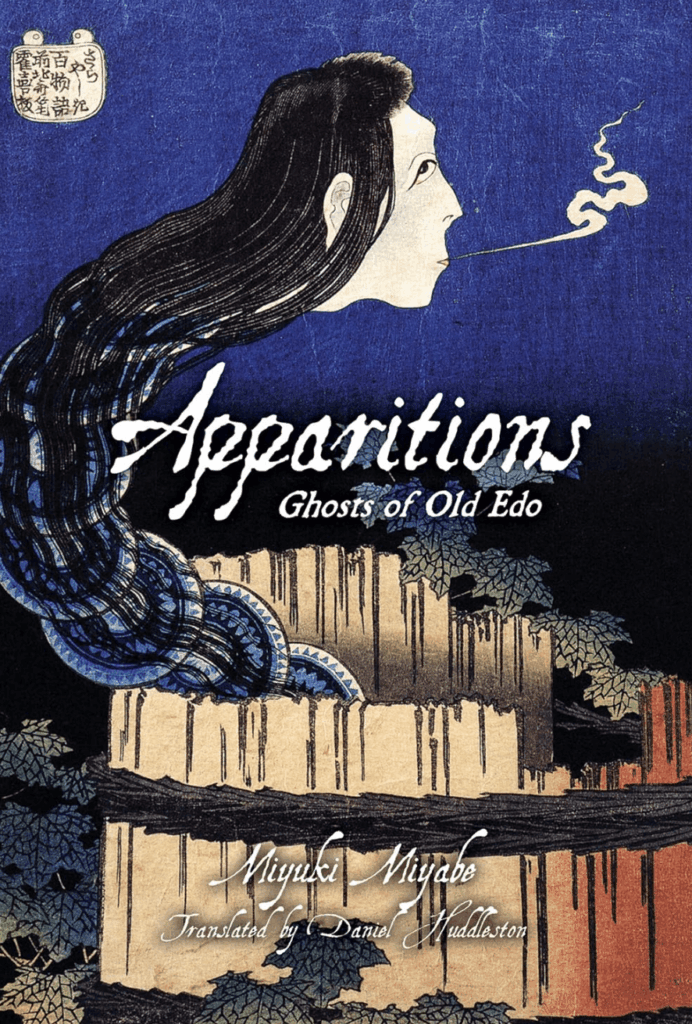
9. Apparitions: Ghosts of Old Edo by Miyuki Miyabe
Miyuki Miyabe is a famous thriller and mystery writer who features in my list of thriller and action Japanese translated literature, but in Apparitions, she brings Japanese ghost stories to the forefront.
This collection of eerie tales takes place in Old Edo, or 18th centry Tokyo, where working-class people encounter strange spirits and mysterious happenings with the dead. Miyabe creates a slow sense of unease rooted in folklore, superstition, and human emotion in this collection of stories.
Perfect for readers who enjoy historical settings, Japanese ghost stories, and creepy fiction, Apparitions is a great pick for a scary Japanese book.
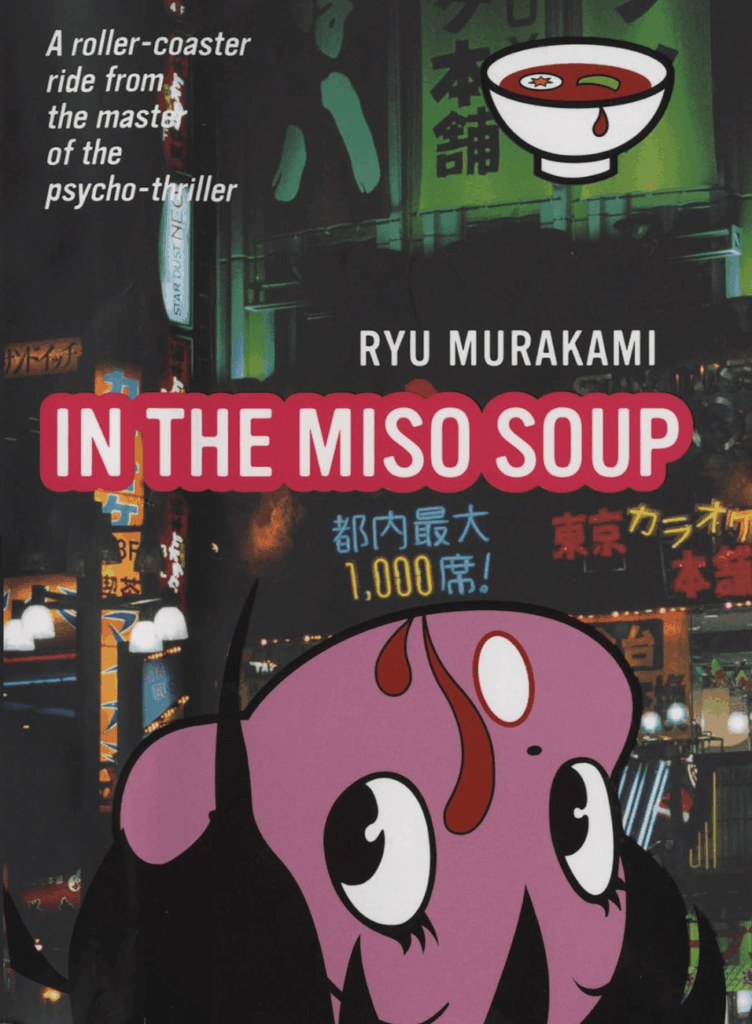
10. In the Miso Soup by Ryu Murakami
In the Miso Soup is one of the most weird and unsettling novels on this list, that exposes a darker side of Tokyo and Japanese society.
The story follows Kenji, a young tourguide who escorts foreign tourists through Tokyo’s nightlife districts. When he is hired by an American visitor named Frank, he begins to suspect that something is deeply wrong.
Set against the neon backdrop of Kabukicho, Tokyo’s famous red-light district, the novel explores the darker corners of the city’s sex industry.
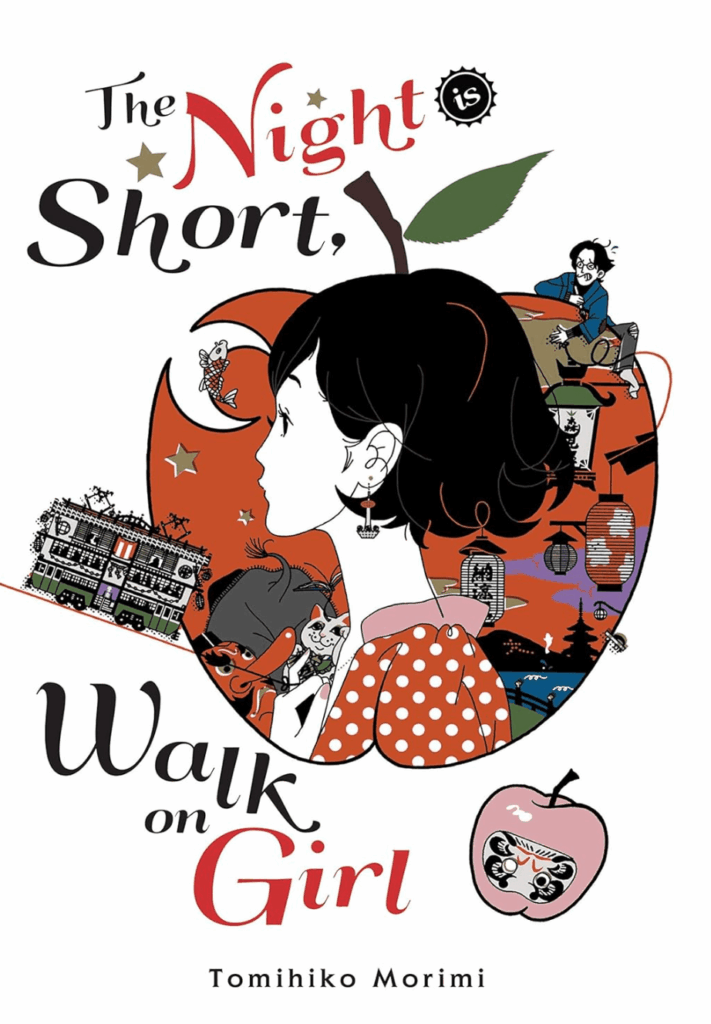
11. The Night Is Short, Walk On Girl by Tomihiko Morimi
The Night is Short, Walk On Girl is a whimsical story that takes place over a single night in Kyoto. The novel follows a young woman as she wanders through the city’s nightlife, encountering eccentric characters, bizarre situations, and increasingly surreal events. Meanwhile, a fellow student desperately tries to engineer a meeting with her to confess his feelings for her.
This book is the most whimsical and surreal on this list. Often funny and sometimes completely absurd, this unique Japanese novel captures the feeling that anything can happen once the sun goes down.
The novel was also adapted into an animated film that captures the book’s dream-like energy and atmosphere.
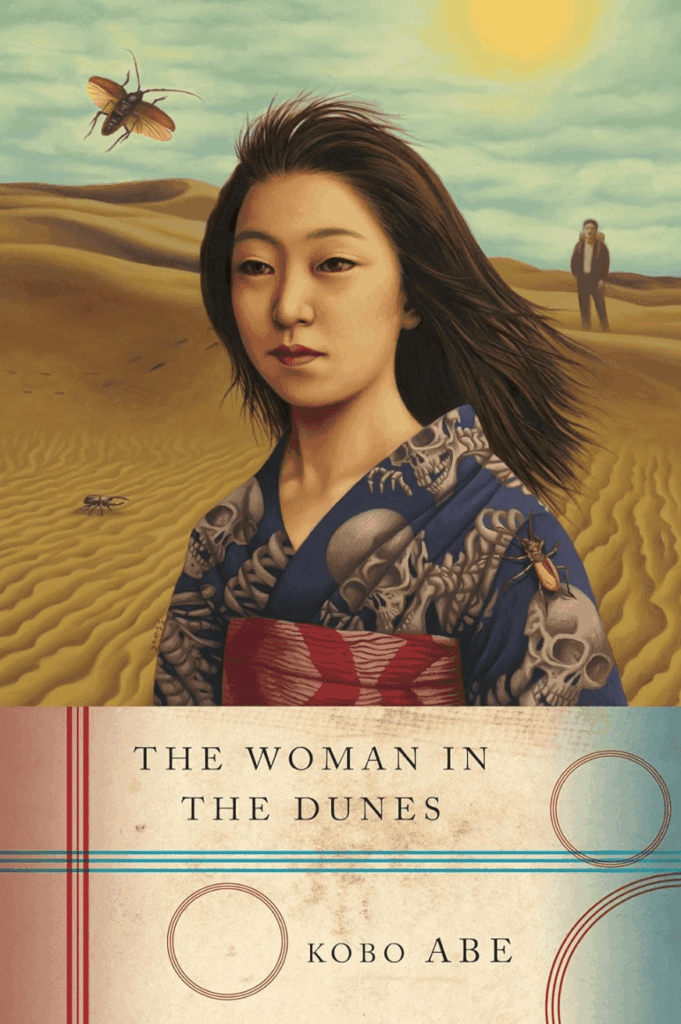
12. The Woman in the Dunes by Kobo Abe
In The Woman in the Dunes, a schoolteacher travels to a coastal village and becomes stranded in a house at the bottom of a giant sand pit, where he has to help a mysterious woman battle the ever-encroaching sand dunes.
As escape becomes increasingly difficult, the novel transforms into a psychological exploration of freedom, purpose, and human existence.
Written by Kobo Abe, one of Japan’s most celebrated surrealist writers, The Woman in the Dunes is strange, unsettling, and thought-provoking. The novel was also adapted into an acclaimed arthouse film that is considered a classic of Japanese cinema.
13. The Factory by Hiroko Oyamada
The Factory is a surreal and dark satire of modern corporate work-life that is sure to resonate with anyone who has ever questioned the meaning of their job.
At first glance, “the factory” seems like an ordinary workplace. Hundreds of people are employed there, departments are busy, and work is constantly being done. There’s just one problem: nobody seems to know what the factory actually produces.
The novel follows three employees whose jobs become increasingly strange and disconnected from any obvious purpose. As they settle into the factory’s routines, they start to question the boundaries between work, identity, and reality itself.
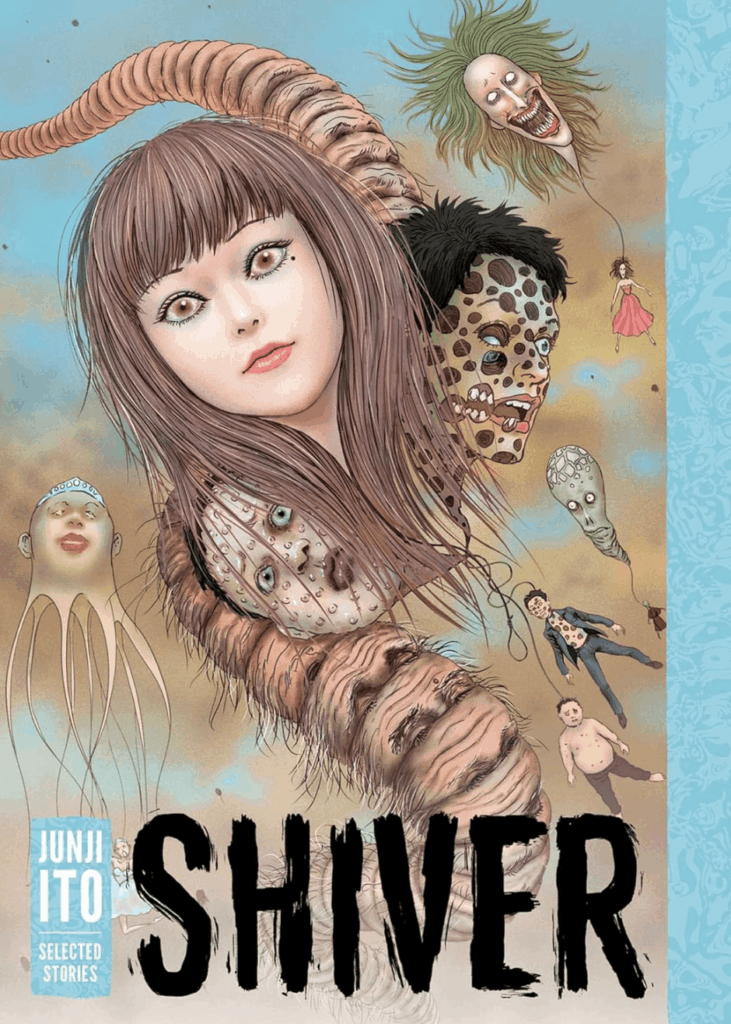
14. Shiver by Junji Ito
No list of weird and scary Japanese literature would be complete without Junji Ito.
Shiver is a collection of some of Ito’s most memorable short horror stories. It features everything from mysterious curses and supernatural creatures to everyday situations that spiral into nightmares. Ito excels at creating a growing sense of dread that lingers long after you’ve finished reading.
Equal parts fascinating and horrifying, Shiver is the perfect introduction to Junji Ito’s work.
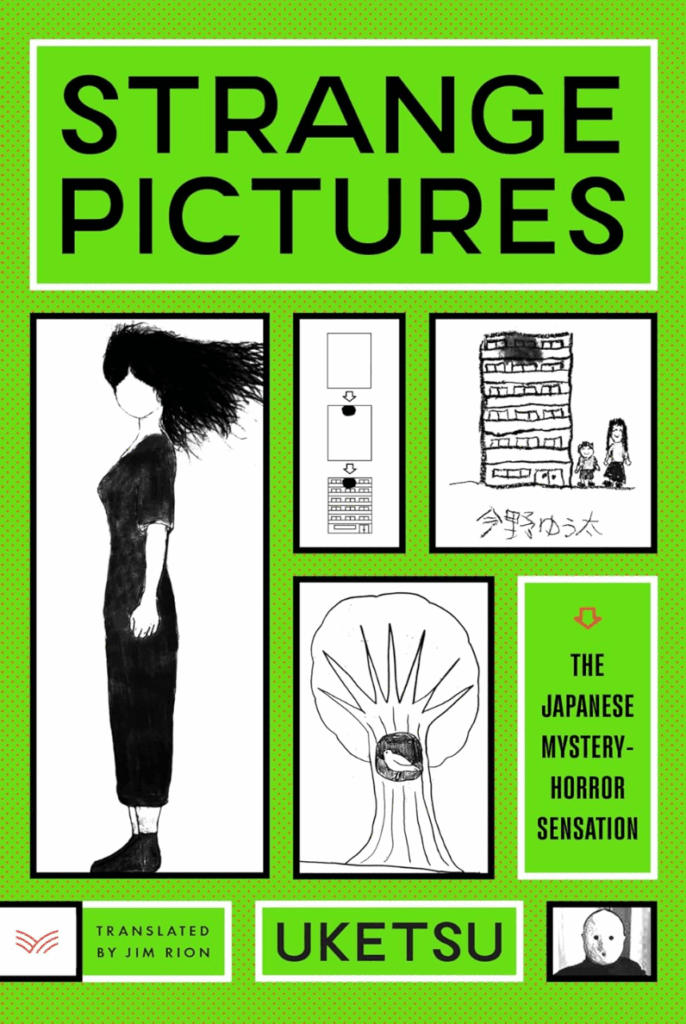
15. Strange Pictures by Uketsu
Strange Pictures by Uketsu is a creepy novel that begins with a series of strange drawings. They appear innocent at first glance, but hidden within them are clues to disturbing events and dark secrets that are unfolding in the novel.
As the connections between the pictures gradually emerge, the story becomes increasingly unsettling. Each revelation raises new questions, creating a growing sense of unease as readers piece together a mystery that is far stranger than it first appears.
Clever, eerie, and impossible to put down, last but not least, Strange Pictures is a perfect example of the weird and unsettling side of modern Japanese literature.