When planning a weekend getaway or a day trip from Tokyo, travelers often face a tough question: Which should you visit, Hakone or Nikko? Both locations offer incredible natural beauty, historic sites, and cultural Japanese experiences. They’re both perfect places to escape the bustle of the city and explore a more laid-back side of Japan.
Honestly, there’s no wrong answer when looking at Hakone vs Nikko. I’ve visited both multiple times and recommend them for different reasons! Below, I’ve compared them across a range of factors to help you figure out which destination is right for you.
Visiting Hakone logistics
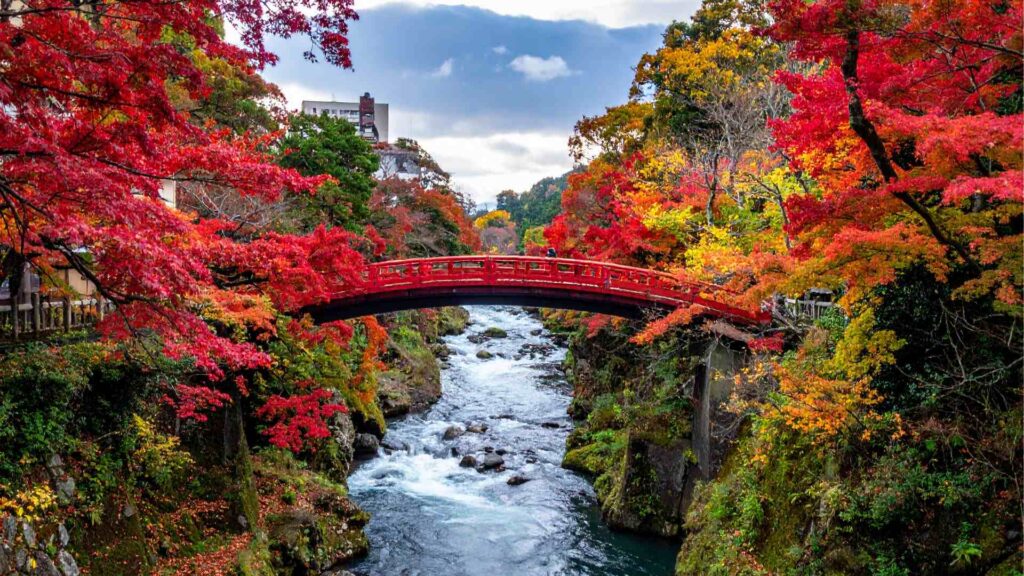
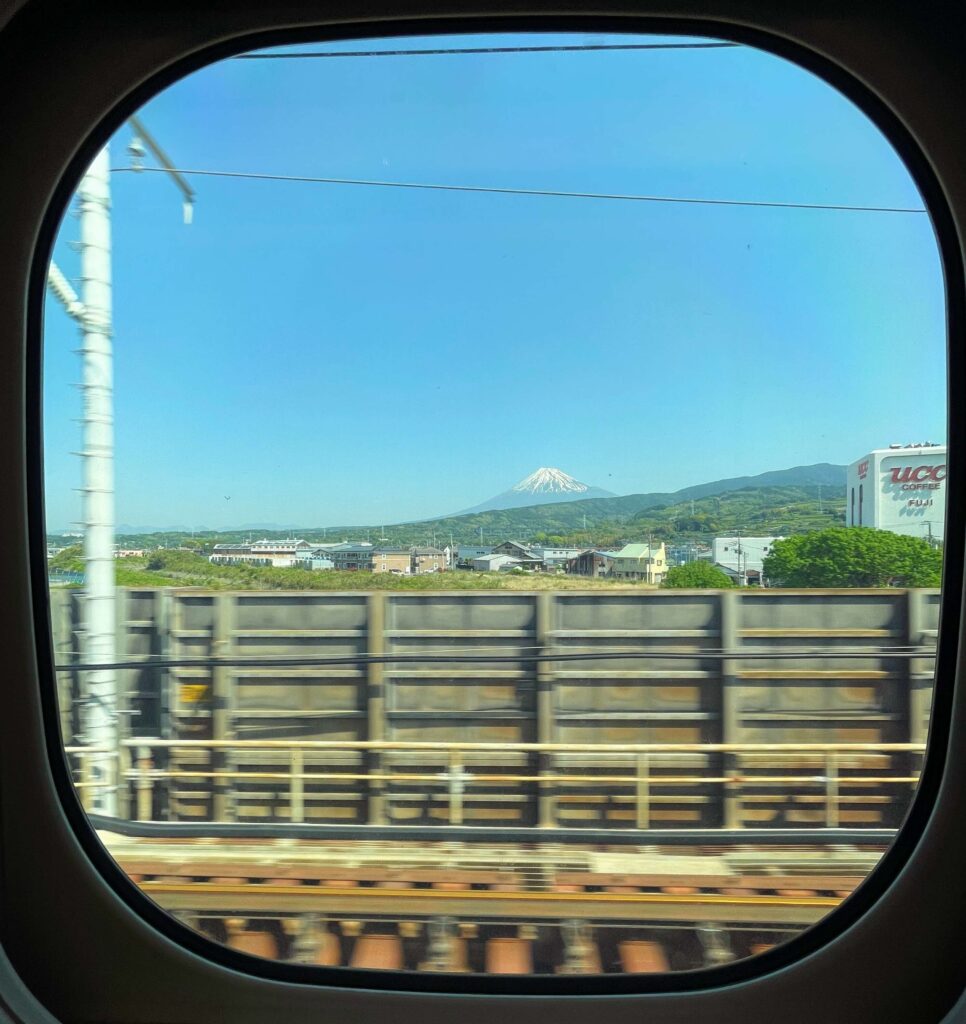
Hakone is located about 1.5 hours southwest of Tokyo by train, in the direction of Mt. Fuji (expect Mt. Fuji views in Hakone on clear days!).
When referring to ‘Hakone’, people generally refer to the region that stretches from Hakone-Yumoto train station in the east, to the southern border to Lake Ashi, to the Hakone-Gora region in the north.
Visiting Nikko logistics
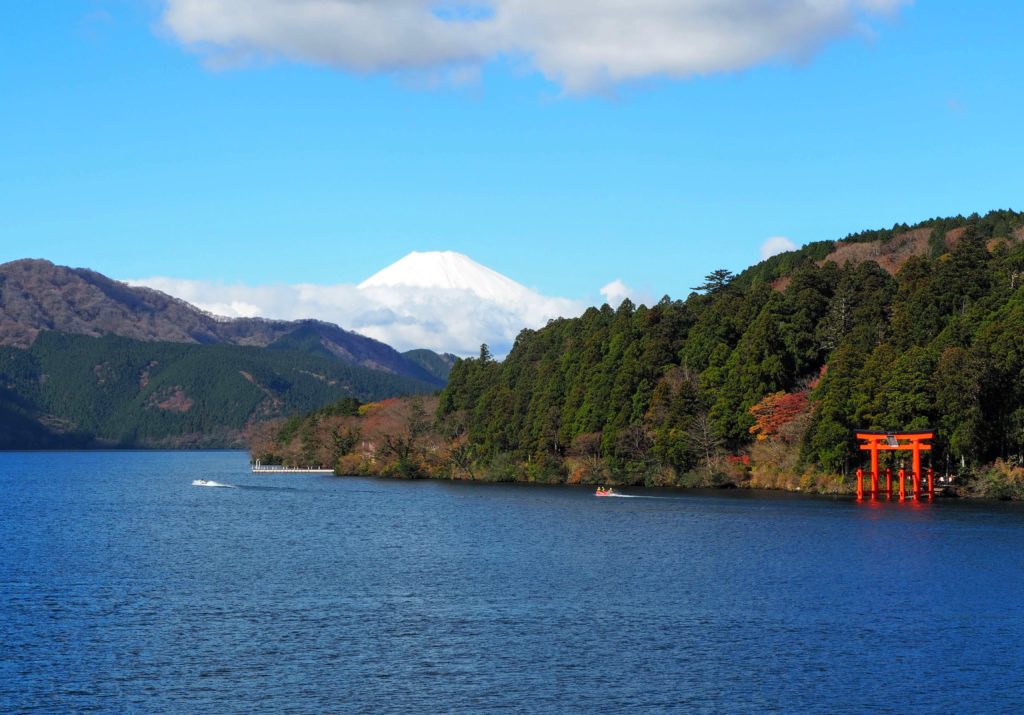
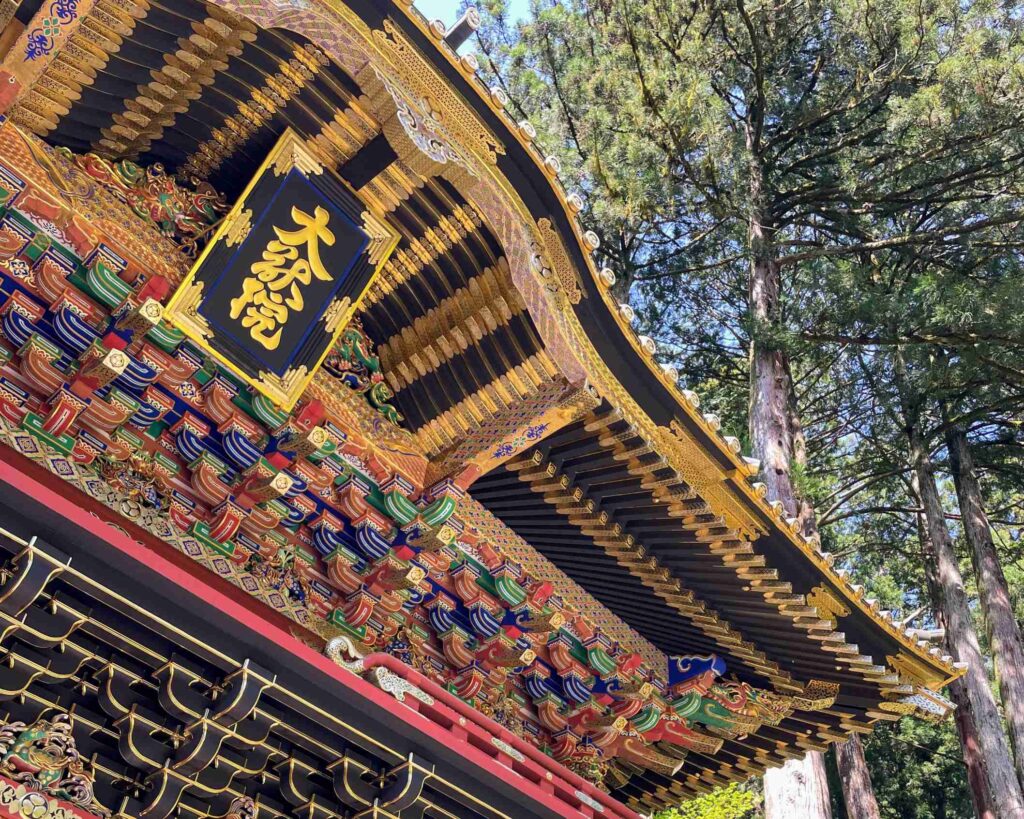
Nikko is known for its history and traditional Japanese aesthetics, due to its many UNESCO World Heritage temples and shrines, the most famous being the Nikko Toshogu Shrine. It’s also known for waterfalls and nature walks through forests and wetlands.
In the end though, you can’t go wrong with either option!
1. Which is easier to visit from Tokyo, Hakone or Nikko?
Answer: Hakone is generally easier to visit from Tokyo, especially for first-time visitors using public transport.
Both Hakone and Nikko are easy to reach from Tokyo.
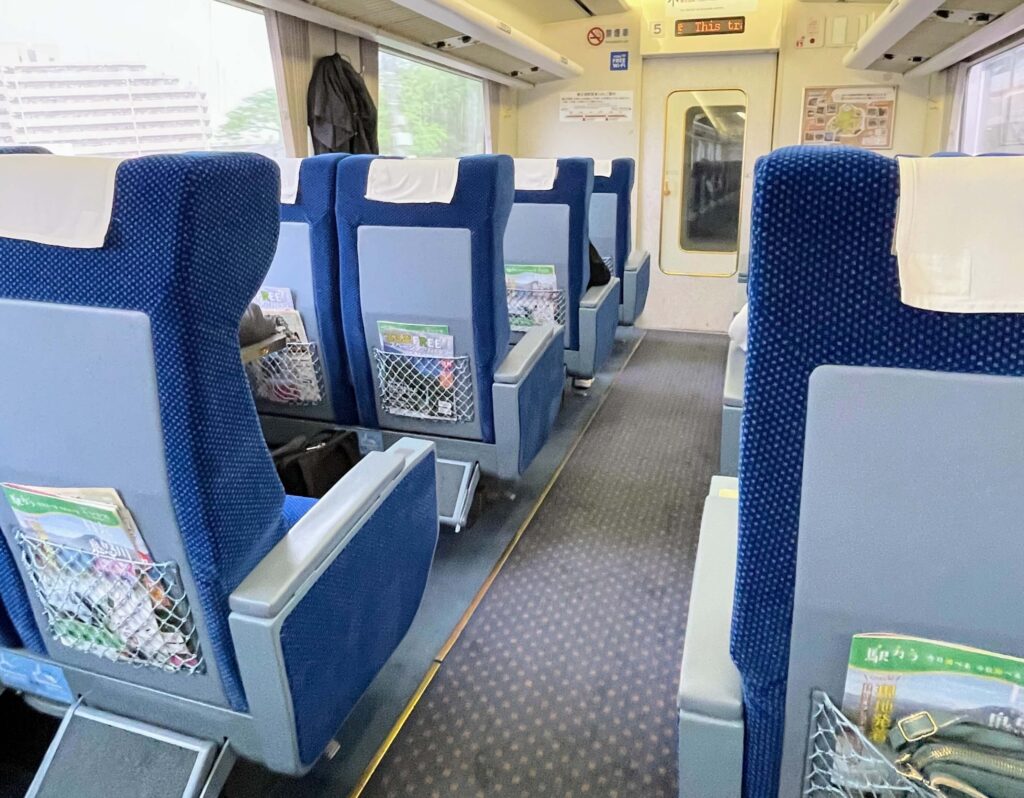
To get to Hakone, travellers can take the Odakyu line or the Odakyu Romancecar (with reserved seating) directly from Shinjuku Station to Hakone-Yumoto Station (1 hour 40 minutes). From there, the main sightseeing areas are connected by trains, buses, ropeways, cable cars, and boats.
Many visitors follow the classic Hakone Loop using the Hakone Freepass (which I write about in my Hakone itinerary), which takes you from Hakone-Yumoto through Gora, Owakudani, Lake Ashi, and back again. This makes the trip feel straightforward, even if it is your first time visiting Japan.
Nikko is also easy to reach, especially by direct limited express train from Asakusa, it just takes a little longer to get there than Hakone (~2-2.5 hours). However, once you arrive, the sights are more spread out too. The main shrine and temple area can be visited by bus or on foot, but Oku-Nikko, including Lake Chuzenji and Kegon Falls, takes more time and longer bus rides.
From Tokyo, Hakone is easier to visit compared to Nikko. Nikko is still accessible, but requires a little more time and planning, especially if you want to explore beyond the main World Heritage shrine area.
2. Which location has more points of interest, Hakone or Nikko?
Answer: Hakone has more “points of interest” and easy-to-reach attractions, while Nikko offers more atmosphere, history, and tranquillity.
Having spent time in both Hakone and Nikko, I think by a narrow margin Hakone has more “points of interest” or specific attractions for visitors.
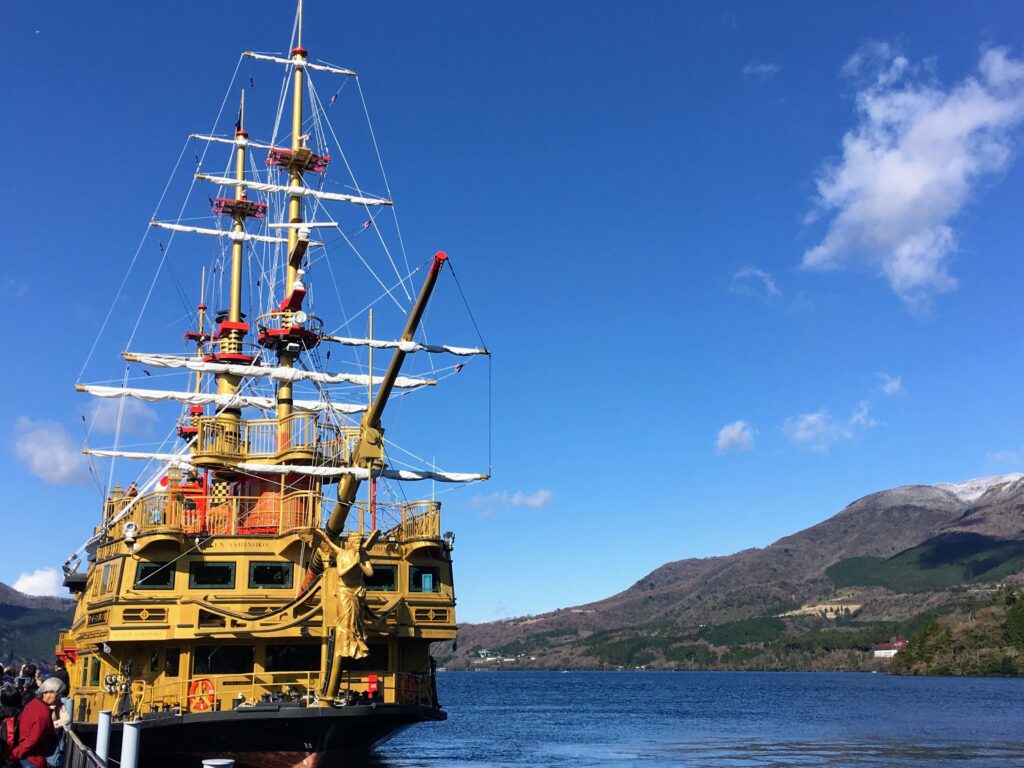
Hakone is set up really well for sightseeing, especially if you are relying on public transport, by following the classic Hakone Loop. There is Lake Ashi and the pirate ship, the Owakudani volcanic area, the Hakone Ropeway, various museums and gardens in Gora, day-use onsens, and the village shops and restaurants in Hakone Yumoto.
Nikko on the other hand, for me is more about the overall ‘forest shrines’ atmosphere. In central Nikko, the main draw is the UNESCO World Heritage shrine and temple area, including Toshogu Shrine and Rinnoji Temple. There are also some museums, cafes, shops, and scenic walking areas around town.
If you go further into Oku-Nikko, there are waterfalls, lakes, marshlands, hiking trails, and national park scenery to explore. This is where Nikko becomes especially beautiful, but these areas are more spread out and are easiest to explore if you have a car or if you join a tour.
If you’re looking for a destination with lots of easy, clearly defined stops, Hakone is the better choice. If you prefer slow travel, forested scenery, temples, shrines, and a quieter mountain atmosphere, Nikko may be more interesting to you.
3. Which has better cultural and historical attractions, Hakone or Nikko?
Answer: Nikko has better cultural and historical attractions by a small margin, because of its UNESCO World Heritage status.
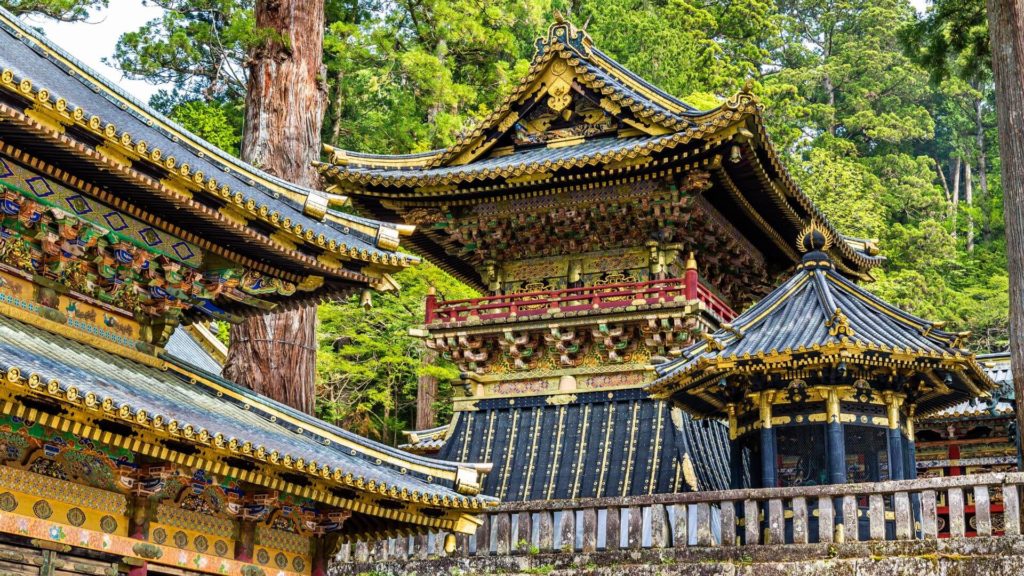
Nikko is one of the most important Japanese historical destinations within easy reach of Tokyo. Its shrine and temple area includes Toshogu Shrine, the resting place of Tokugawa Ieyasu, the founder of the Tokugawa shogunate. The area feels deeply atmospheric, with grand cedar trees, mossy stone lanterns, and historic shrine buildings clustered together in the forest.
Tip: The ticketing line to Toshogu Shrine can be huge, so be sure to book your tickets in advance!
Hakone also has a long cultural history, but in a different way. It is best known as an onsen resort town that has been visited by Tokyo-ites for generations. The Gora area feels especially cultural, with its famous museums, gardens, traditional inns, and mountainous atmosphere.
Hakone and Nikko both are two of the best places in Japan for a classic ryokan experience, which is a cultural attraction in itself. See for yourself in my posts about Nikko onsen ryokan and Hakone onsen ryokan.
4. Which is less crowded, Hakone or Nikko?
Answer: Nikko is generally less crowded than Hakone, especially if you visit on a weekday.
Because Hakone is easier to reach from Tokyo and easier to navigate (as mentioned above), it attracts a lot of day-trippers and overnight visitors. Luckily, Hakone is built to handle large numbers of tourists, with plenty of transport, hotels, shops, and restaurants. But during the day, and especially on weekends, it can sometimes feel like you are following the crowd from one attraction to the next.
Nikko’s attractions are more spread out, which helps it feel less crowded overall. Even around the main shrine and temple area, the forested setting gives the town a more peaceful atmosphere than Hakone’s sightseeing spots.
The main exception is the UNESCO World Heritage site, which is always busy, especially on weekends, and during autumn, when Nikko becomes very popular for its fall foliage. If you want to experience Nikko at its most peaceful, I would visit on a weekday outside the peak autumn season.
5. Which is better for an overnight stay, Hakone or Nikko?
Answer: For me, this one is a tie. Both Hakone and Nikko are amazing overnight stays.
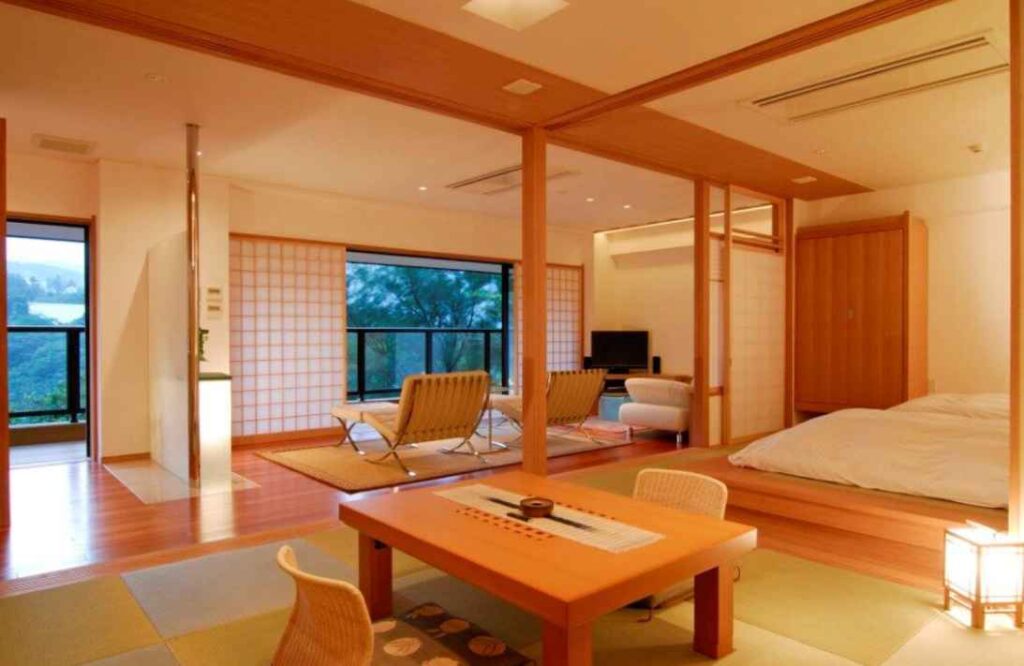
Hakone is easier for finding overnight accommodation, because it is a larger area with more hotels, ryokan, and onsen stays catering to tourists. This is a great place to book a traditional ryokan or onsen hotel, including some with private in-room onsen and views of Mt. Fuji.
Nikko is also well worth staying overnight, especially because it takes a little longer to reach from Tokyo. Staying the night lets you explore at a more relaxed pace, rather than trying to squeeze the World Heritage shrines, town, and Oku-Nikko into one busy day.
Because Nikko is a smaller town, hotels can book out, especially on Friday and Saturday nights. But if you can find a spot, it is a beautiful place to stay. Nikko also has many ryokan and smaller onsen hotels, including some with private onsen baths.
6. Which is better for hot springs, Hakone or Nikko?
Answer: Hakone is better for hot springs, although both areas have excellent onsen.
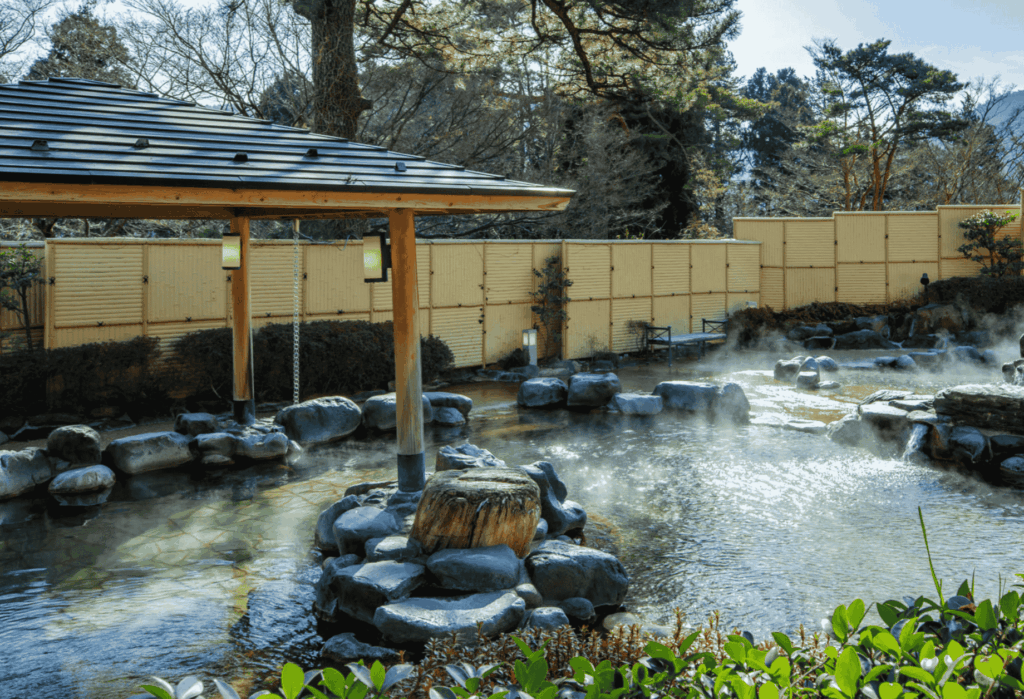
Hakone is one of the most famous hot spring destinations in Japan, and onsen are a major part of the experience here. There are many ryokan, onsen hotels, and day-use baths spread across the Hakone area, that source hot spring waters with different mineral concentrations.
If soaking in onsen is one of the main reasons for your trip, Hakone is an exceptionally good choice for an overnight stay.
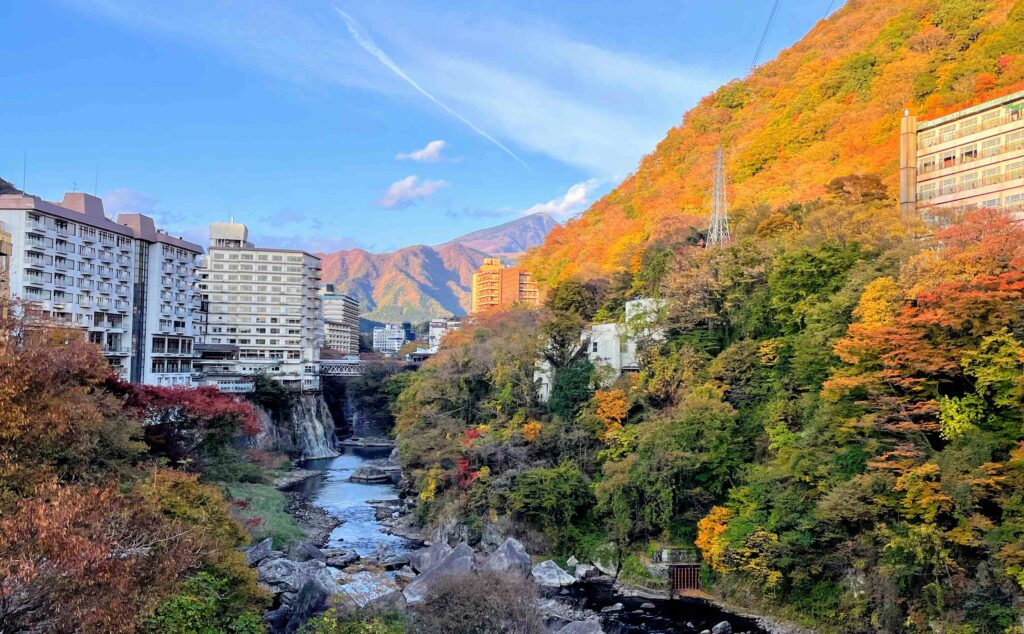
Nikko also has wonderful hot springs, but they are a little more spread out. The main onsen areas are Kinugawa Onsen, just east of Nikko, and Oku-Nikko, which has its own hot spring water source. Kinugawa Onsen in particular is a famous onsen town, with a scenic river running through it and a classic Japanese hot spring village atmosphere.
Overall, if hot springs are your top priority, I would choose Hakone. But if you are already visiting Nikko, it is definitely worth adding an onsen stay, especially in Kinugawa Onsen or Oku-Nikko.
7. Which is more family-friendly, Hakone or Nikko?
Answer: Hakone is more family-friendly, especially for younger kids or families who want an easy sightseeing route.
Hakone has more attractions that work well for families, including the pirate ship on Lake Ashi and the Hakone Ropeway. Because Hakone is a larger and more established resort area, it is also generally easier to find restaurants, hotels, and transport options that work for families.
Many larger onsen hotels in Hakone also cater well to kids, with things like kids’ meals, family rooms, play areas, or game corners. Examples of onsen hotel with kids areas include Hakone Suimeisou and Hakone Hoshi No Akari.
Nikko can 100% still be a lovely family trip, especially for kids who enjoy nature and history. However, the main appeal is more refined with shrines, temples, forest walks, and cultural sites. Kids who get bored easily may find this less exciting than Hakone’s boats, ropeways, and easy attractions.
8. Which is more budget-friendly, Hakone or Nikko?
Answer: Nikko is slightly more budget-friendly overall, although Hakone can also be visited cheaply as a day trip.
Both Hakone and Nikko can be visited on a range of budgets. However, I think Nikko has a slight edge if you are trying to keep costs down, especially once you are there.
Hakone is easy to reach from Tokyo and has lots of accommodation options, including cheaper hotels and guesthouses. However, it is also a resort destination, so costs can add up quickly. The classic Hakone experience includes multiple forms of transport and paid attractions like museums, ropeways, and boat rides.
Nikko feels a little less commercial once you arrive. The main World Heritage shrine and temple area does have entrance fees, but the overall experience is more focused on walking, atmosphere, nature, and exploring. If you book early and find a simple guesthouse stay, Nikko can be a fairly budget-friendly overnight trip.
Nikko becomes more expensive if you travel further into Oku-Nikko or visit during peak autumn season when accommodation prices rise.
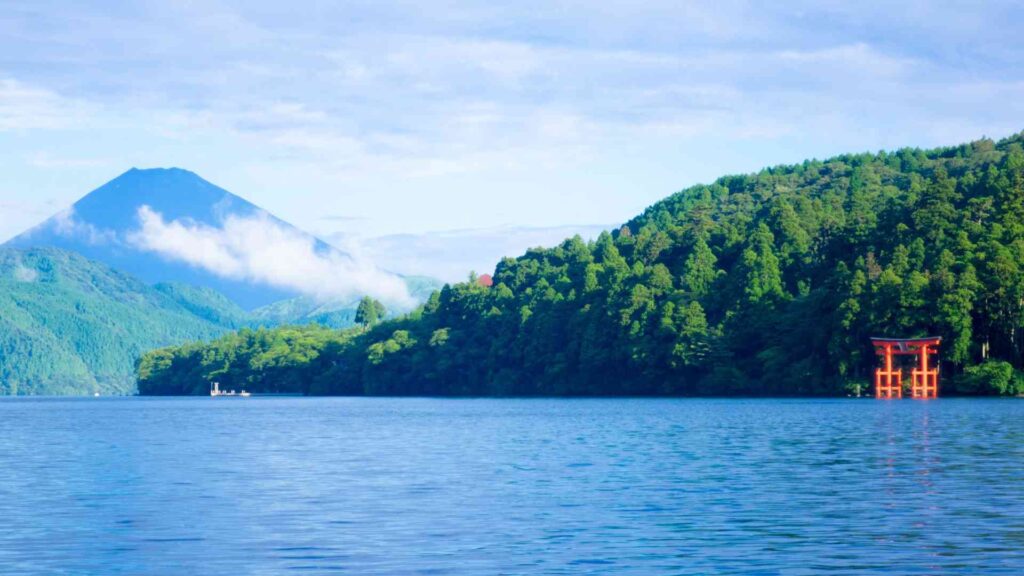
9. Which is better for nature and scenery, Hakone or Nikko?
Answer: This one is a tie. Hakone has Mt. Fuji and lake views, while Nikko has the more atmospheric forest scenery.
Hakone is one of the best places near Tokyo for Mt. Fuji views. On a clear day, you can see Mt. Fuji from around Lake Ashi, the ropeway, and even some ryokan and onsen hotels. The combination of Mt. Fuji, lake views, volcanic landscapes, and mountain scenery makes Hakone’s nature feel very dramatic and easy to enjoy.
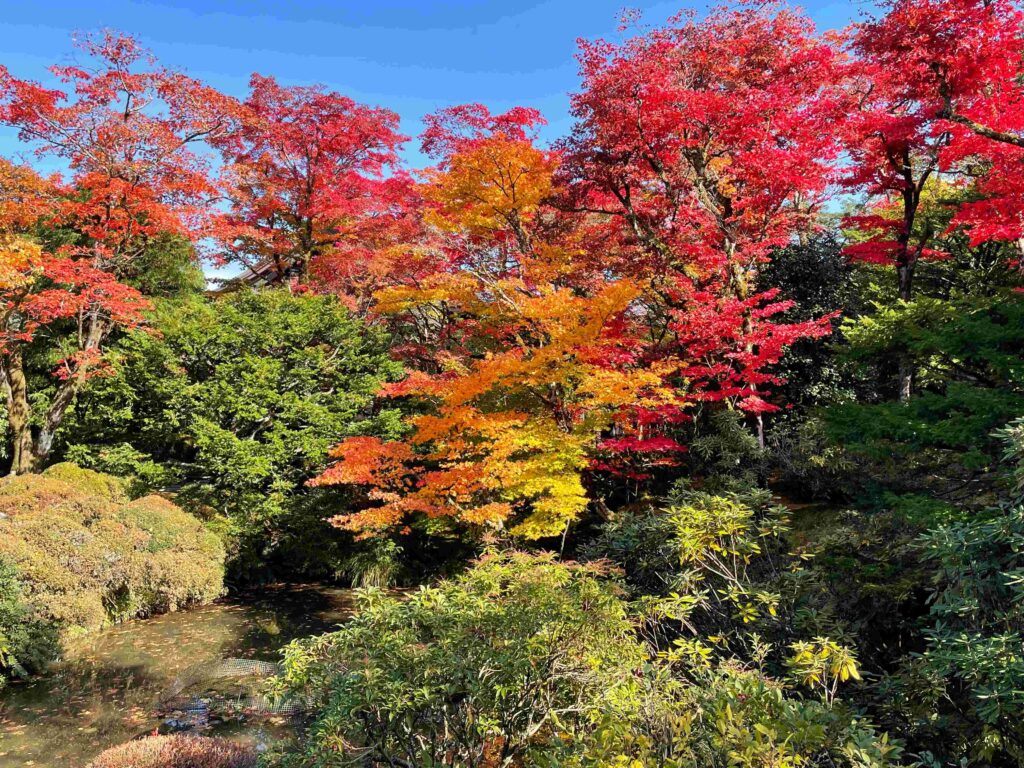
Nikko has a quieter and more atmospheric kind of natural beauty. The shrine and temple area is surrounded by tall cedar trees, stone lanters, and forested paths. I think Nikko is especially beautiful on rainy days, when the forest shrines feel even more peaceful and mysterious.
Both Hakone and Nikko have hiking trails if you want a more nature-focused trip. Hakone has trails around its surrounding mountains plus the old Tokaido road, while Nikko has forest walks and in Oku-Nikko, waterfalls, marshlands, and more serious hiking too.
If you want Mt. Fuji views and unique, scenic landscapes, Hakone may be the better choice. If you want forests, waterfalls, shrine atmosphere, and a deeper sense of nature, Nikko might be the choice for you.
10. Which should you visit, Hakone or Nikko? (Summary)
Overall, my recommendation for most first or second-time visitors to Japan is to choose Hakone.
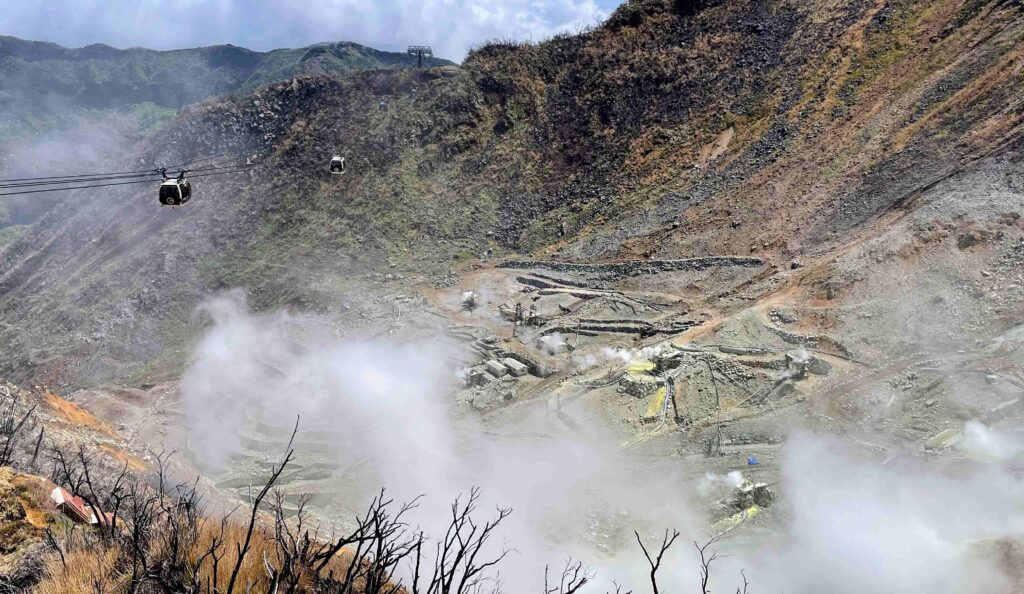
Hakone is easier to navigate, has more straightforward sightseeing, and offers many experiences that feel unique to Japan, including staying in a ryokan, soaking in an onsen, seeing Mt. Fuji, and visiting the volcanic area around Owakudani.
That said, Nikko should not be missed either. If you have a longer Japan itinerary, it is well worth visiting, ideally as an overnight trip. Nikko is one of the best places near Tokyo to experience forest shrines, UNESCO World Heritage buildings, mountain scenery, waterfalls, and a quieter, more spiritual side of Japan.
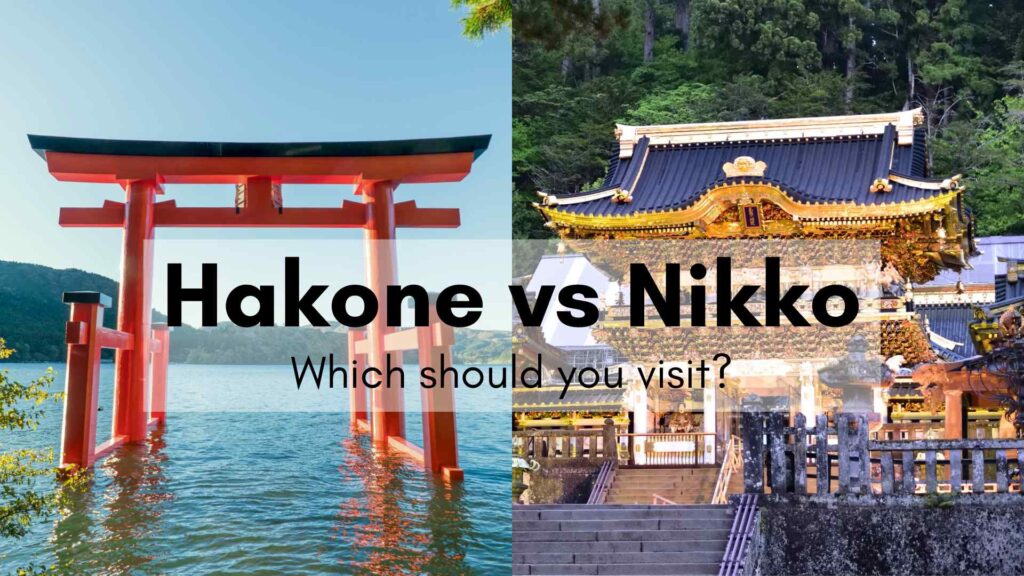
So, which is better, Hakone or Nikko?
In one sentence: if you want temples, shrines, and major historical sites, Nikko wins. If you want onsen, art museums, gardens, Mt. Fuji views, and ryokan culture, Hakone is the better choice.
To summarise:
Hakone is a great destination for travellers interested in onsen, Mt. Fuji views, and easy sightseeing. It offers unique experiences with its Hakone Freepass like riding the pirate ship across Lake Ashi, taking the ropeway over a volcanic valley, and staying in a traditional ryokan. It is also a great choice if you are short on time, since it can be enjoyed even as a one-day trip from Tokyo.
Nikko, on the other hand, is perfect for visitors interested in history, culture, forest shrines, and UNESCO World Heritage architecture. It is a scenic and atmospheric place to experience the spiritual side of Japan, with beautiful natural landscapes including old forests, waterfalls, lakes, and mountain trails.
Both Hakone and Nikko offer memorable, picturesque escapes from Tokyo, so you truly cannot go wrong with either choice!
Are You Prepared For Your Trip To Japan?
Be sure to check out my Japan home page for Japan travel information, insider tips, reading list, and must-haves for traveling to Japan!
- Book Your Flights – To find the cheapest flights, flexibility is key. I use both Google Flights for their low fare calendar, and Skiplagged, which uses airfare loopholes to get the lowest prices. For a trip to Japan, check flights to both Tokyo airports (Haneda, Narita) and to Osaka (Kansai).
- Getting Around Japan: Prepare your JR Pass and Suica transit card before you depart.
- Book Your Accommodation – Check out Booking.com for the largest selection of accommodation in Japan. Consider having a bit of fun at one of these Weirdest Hotels in Japan too 🙂
- Book Local Excursions – Don’t miss out on world-class experiences, like Teamlab Borderless or Tokyo Disneyland, by booking tickets online now. Check GetYourGuide and Klook for fun experiences all around Japan.
- Stay Connected: Order a pocket WiFi for airport pickup if you’re traveling with family or with a large group. Solo traveling to Japan? Order a SIM card just for you.
- Pack Your Essentials – Check out my posts about Long Term Travel Gear, and Carry-On Luggage Packing Essentials.
- Read more on my Travel Resources page!